
Passiflora cristalina
Passiflora cristalina Vanderpl. & Zappi
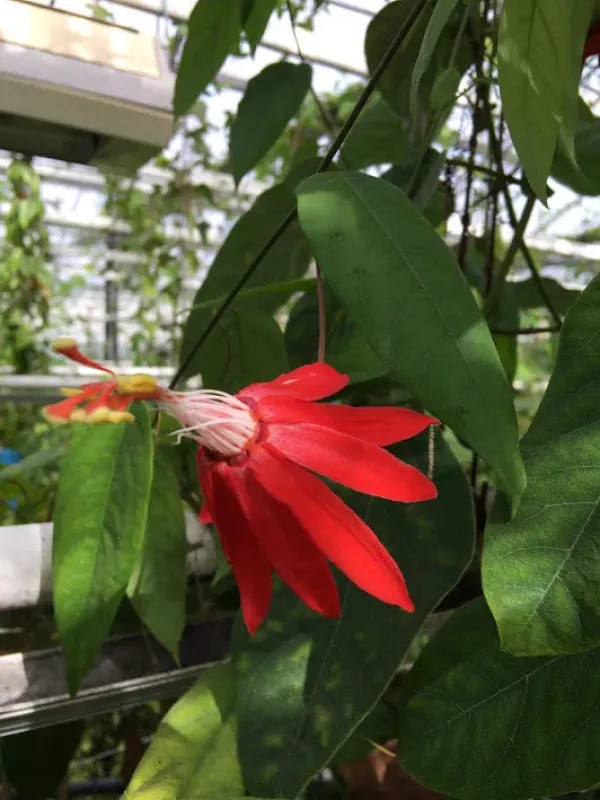
Description
Sowing dates
Propagation of Passiflora cristalina is typically achieved through seeds or stem cuttings. Seed propagation requires careful scarification to break dormancy and ensure consistent germination rates in controlled environments.
The optimal sowing time is early spring, ensuring that seedlings receive adequate daylight for vigorous initial growth. A stable temperature range between 24 and 28 degrees Celsius is essential for successful germination.
Cuttings are highly recommended for maintaining the specific traits of the mother plant. When using this method, soft-wood cuttings are taken and treated with rooting hormones before being placed in a sterile growing medium.
A well-draining, lightweight substrate is critical during the initial growth stages to prevent damping-off diseases. Providing bottom heat can further accelerate root development in propagation chambers.
Once seedlings or rooted cuttings are established, they must be gradually acclimated to the target environmental conditions to minimize transplant shock. Proper spacing is required to allow for future vegetative expansion.
Growing requirements
As a member of the Passifloraceae family, Passiflora cristalina thrives in tropical climates characterized by high light intensity. It requires a sunny location to support its complex flowering cycle.
The soil should be rich in organic matter and possess excellent drainage capabilities. It prefers a slightly acidic to neutral pH level, which facilitates optimal nutrient uptake from the substrate.
Regular irrigation is vital during the growing season; however, soil waterlogging must be strictly avoided to preserve root health. Adequate moisture levels are key to maintaining the plant's structural integrity.
Being a climbing vine, this species necessitates robust support structures such as trellises or wires. Proper training of the vines ensures better light penetration and air circulation throughout the foliage.
The temperature should ideally stay between 20 and 30 degrees Celsius. In areas where temperatures drop below 10 degrees, the plant requires protection, as it is highly sensitive to cold stress and frost.
Main diseases and pests
The primary pests affecting this species are spider mites and aphids, which frequently target the soft growth of young leaves and shoots. Regular monitoring is essential to catch infestations before they cause damage.
Fungal pathogens such as root rot can develop if the substrate remains overly saturated for extended periods. Ensuring proper air ventilation around the foliage is a key preventative measure.
Sanitary practices, including the removal of dead or decaying plant material, significantly reduce the risk of secondary infections. Maintaining clean growing tools helps prevent the transmission of pathogens.
Integrated Pest Management (IPM) strategies, including the introduction of beneficial predatory insects, are recommended for long-term health. Chemical treatments should be used sparingly to prevent negative impacts on the plant.
Early identification of leaf spots or discoloration is crucial for successful disease management. Maintaining proper nutritional balance prevents stress, making the plants more resilient to pest attacks.