
Scarlet passion flower
Passiflora coccinea Aubl.
Description
Growing requirements
The scarlet passion flower (Passiflora coccinea Aubl.) is a perennial evergreen vine belonging to the Passifloraceae family. Originating from the tropical rainforests of South America, specifically the Amazon basin, this species is naturally adapted to high humidity and stable, warm climatic conditions.
For successful cultivation, this crop requires constant warm temperatures, ideally between 22°C and 28°C. It is highly intolerant of frost, and even minor cooling periods can significantly damage the plant's metabolism, necessitating protected environment cultivation in non-tropical regions.
The soil requirements are specific: the substrate must be highly porous, nutrient-rich, and possess excellent drainage capabilities to prevent waterlogging. A slightly acidic to neutral soil pH is essential to ensure the proper bioavailability of nutrients to the root system.
Agricultural management relies heavily on vertical training systems. The plant exhibits aggressive vegetative growth, requiring durable trellises or netting to support its development. Consistent irrigation combined with high humidity levels is necessary for maintaining vigor and inducing the development of floral buds.
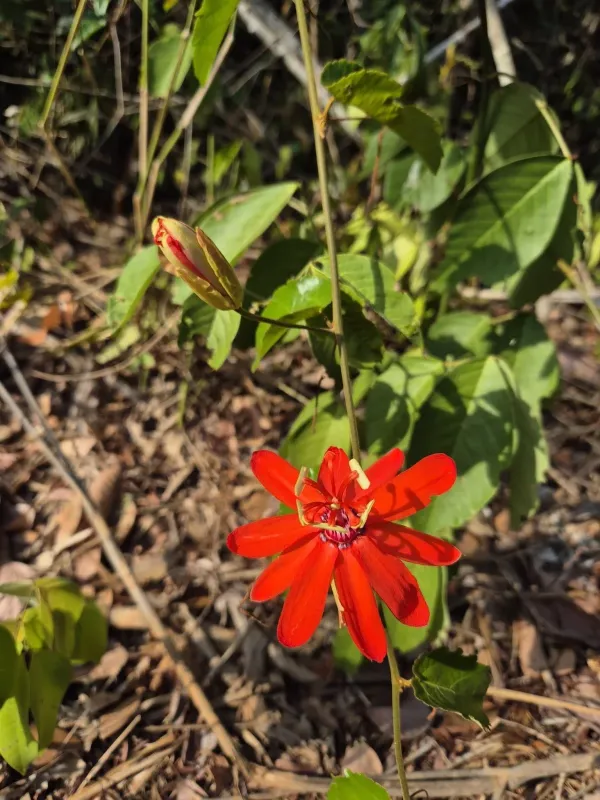
Botanically, the plant is distinguished by its vivid, flame-red flowers which are structurally complex and attractive to specific pollinators in their native habitat. In agricultural terms, it is valued both for its aesthetic appeal and for its edible fruits, which find applications in the culinary industry.
Main diseases and pests
The primary pathological threats include fungal pathogens that induce root and crown rot, primarily due to improper soil moisture management. Ensuring adequate air circulation around the canopy and maintaining well-drained soil are the most effective preventative cultural practices.
The most common pests affecting this species are spider mites and scale insects. These pests thrive in low-humidity environments; therefore, frequent monitoring and, if necessary, the application of targeted biological or chemical control agents are required to sustain plant health.