
Passiflora amethystina
Passiflora amethystina J. C. Mikan
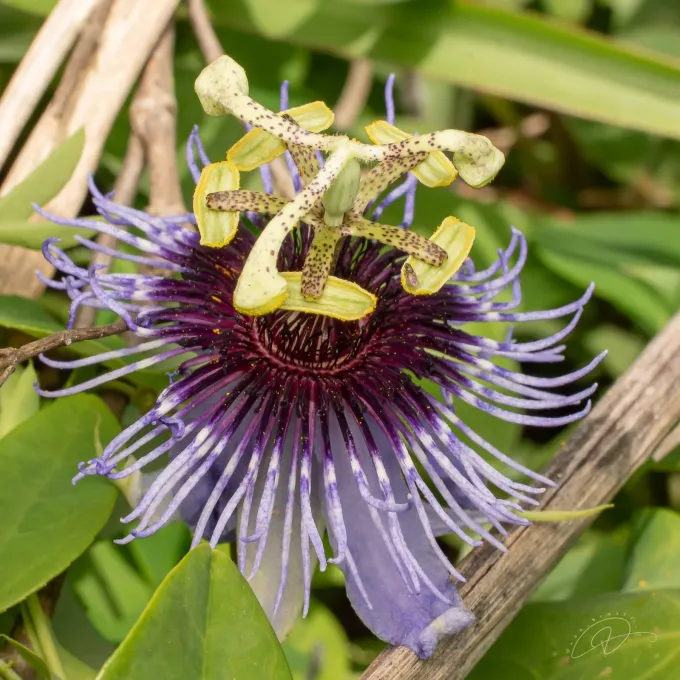
Description
Sowing dates
The propagation of Passiflora amethystina is primarily achieved through seeds or stem cuttings. Seed coat scarification is recommended before sowing to ensure uniform germination rates.
Sowing should be timed for early spring, providing the seedlings with a long growing season. Germination requires consistent warmth, typically between 24 and 27 degrees Celsius.
Stem cuttings are taken from semi-hardwood growth. Successful rooting depends on maintaining high humidity levels and a well-draining, sterile growth medium to prevent rot.
Plants should be moved to their final location only after all danger of frost has passed. Hardening off the young plants is crucial to ensure they adapt to the external environment.
Structural support is essential from the beginning, as this species is a vigorous climber. Proper spacing is required to ensure adequate airflow between the dense foliage.
Growing requirements
Passiflora amethystina is a member of the Passifloraceae family, originating from the tropical forests of Brazil. It thrives in high-moisture, high-light environments.
The species requires fertile, well-draining soil with a pH ranging from slightly acidic to neutral. Frequent watering is needed, but the substrate must never become waterlogged.
Environmental conditions should mimic its native habitat. It prefers temperatures between 20 and 28 degrees Celsius and dislikes cold drafts or sudden thermal drops.
Sunlight exposure is critical; while it enjoys bright light, it appreciates afternoon shade in extremely hot climates to prevent leaf scorching and desiccation.
Regular fertilization is required throughout the growing season. A balanced NPK fertilizer helps support both the rapid vine growth and the development of its ornamental flowers.
Main diseases and pests
Common pests include spider mites and mealybugs, which are particularly problematic in dry indoor environments or greenhouses with poor humidity control.
Aphids can infest new shoot tips, causing stunted growth and potentially transmitting viral pathogens. Early detection and mechanical removal can help control minor outbreaks.
Root rot is a major threat caused by overwatering or poor drainage. It often manifests as sudden wilting despite moist soil, indicating damaged roots that can no longer absorb water.
Fungal diseases, including powdery mildew, may affect the foliage if ventilation is inadequate. Maintaining good airflow is the most effective preventative measure against these issues.
Integrated pest management, including the use of horticultural oils and neem-based sprays, is recommended to keep pest populations at bay without damaging the plant.