
Clematis aethusifolia
Clematis aethusifolia Turcz.
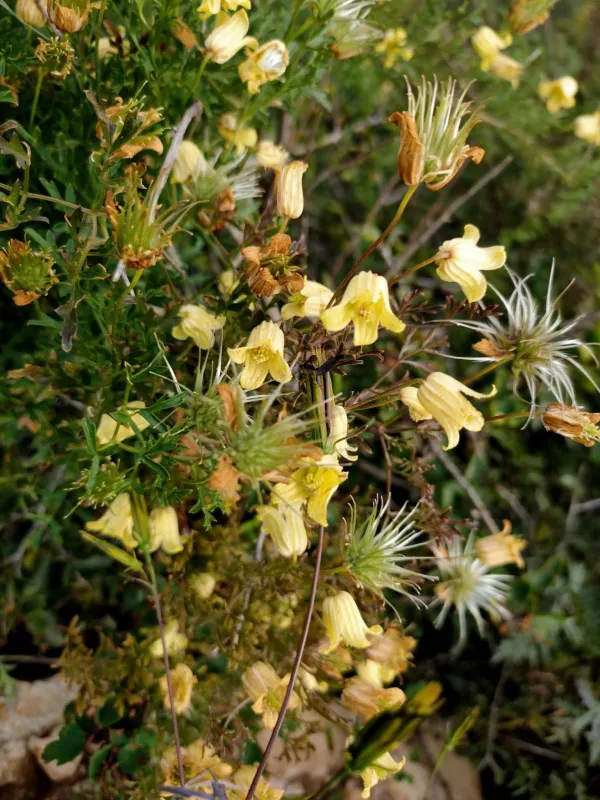
Description
Sowing dates
Sowing seeds of Clematis aethusifolia is typically done in the autumn directly into open ground or into containers, leaving them outside for stratification throughout the winter. Exposure to low temperatures naturally increases the germination rate in spring.
When sowing in the spring, seeds require mandatory preliminary stratification in a refrigerator at temperatures between +2 and +5 degrees Celsius for 1–2 months. After this, they should be planted in a nutrient-rich substrate at a depth of no more than 1 cm.
Seedlings of this species develop quite slowly, so it is essential to provide them with a stable temperature regime and moderate moisture. Pricking out should be carried out after the appearance of the first pair of true leaves into individual pots for further growth.
Transplanting to a permanent location should be done once the threat of spring frost has passed. Choose sites with good drainage for the young plants to prevent waterlogging, which the root system is particularly sensitive to at an early age.
Propagation is also possible through vegetative methods such as division of mature clumps or cuttings. Cuttings are taken in the summer using semi-hardwood shoots, which allows for the production of genetically identical planting material.
Growing requirements
Clematis aethusifolia belongs to the Ranunculaceae family and is an elegant herbaceous vine. In the wild, this species is native to the Far East, China, and Korea, favoring open rocky slopes and thickets where it can climb naturally.
The plant has moderate soil requirements, preferring loose, fertile loams with a neutral or slightly alkaline pH. It strictly avoids acidic, heavy, or waterlogged substrates, which often lead to root rot and other physiological stressors.
For optimal growth and flowering, the plant requires sunny exposure, although light shade during the hottest part of the afternoon is acceptable. Protection from strong winds is crucial as they can damage the delicate stems and foliage of the vine.
Agrotechnical maintenance includes regular loosening of the soil and weed control in the root zone. To maintain an optimal water balance and suppress weed growth, applying a mulch layer of peat or humus around the base of the plant is recommended.
This species is characterized by high winter hardiness in temperate climates. In harsh winters, the aerial parts of the plant usually die back, and growth resumes from the rootstock in the spring, necessitating proper pruning to clean up dead stems.
Main diseases and pests
The primary threat to the plant comes from fungal diseases, such as wilt and powdery mildew. To prevent wilt, it is critical to follow a proper irrigation schedule and avoid excessive application of nitrogen-based fertilizers, which promote succulent but weak growth.
In high humidity conditions, the vine may be affected by gray mold, which manifests as dark spots on the leaves and stems. Treatment involves removing the affected parts and applying broad-spectrum fungicides to prevent further spread.
Common pests found on this clematis include aphids and spider mites, which feed on the sap of young foliage. Regular inspections allow for the early detection of pest colonies, enabling the use of biological control agents or targeted treatments.
Slugs and snails can cause significant damage to young shoots early in the season, particularly during rainy periods. Effective management techniques include setting traps or creating physical barriers around the base of the plant.
Damage to the root system by rodents can occur during the winter period. Using protective mesh during planting and maintaining a clean area free of plant debris can significantly reduce the risks associated with burrowing animals.