
Clematis gentianoides
Clematis gentianoides DC.
Description
Growing requirements
Clematis gentianoides is a distinctive herbaceous perennial plant belonging to the Ranunculaceae family. Unlike the well-known climbing species of the genus, this plant is notable for its compact, non-climbing habit, forming small clumps that remain upright throughout the season.
The species is native to Australia, specifically endemic to the island of Tasmania. In its natural habitat, it thrives in cool, temperate environments, typically found in well-drained soils within open forests or woodland clearings where moisture is consistent but not stagnant.
To cultivate this species successfully, gardeners must provide fertile, well-draining soil with a neutral to slightly acidic pH. The plant requires a site that offers partial shade, as it prefers protection from the intense heat of direct mid-day sun, which can cause foliage stress.
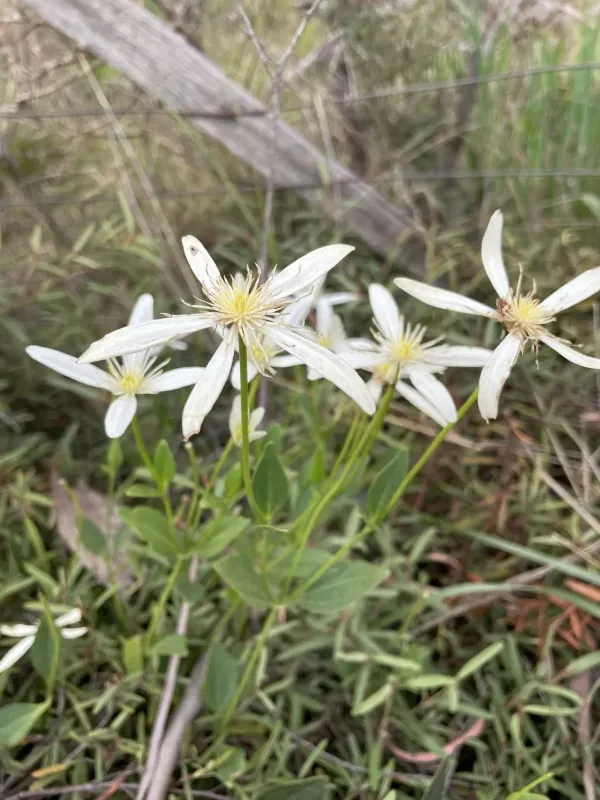
Botanically, the plant features erect stems reaching heights of approximately 30 to 50 centimeters. The leaves are typically lanceolate, and the flowers are solitary, bell-shaped, and often white or pale, bearing a resemblance to the blooms of the Gentiana genus, which inspires its specific epithet.
Regarding its horticultural use, Clematis gentianoides is primarily valued as an ornamental specimen for rock gardens, containers, or the front of herbaceous borders. Its unique growth habit makes it an excellent choice for specialized garden collections and alpine-style landscaping projects.
Main diseases and pests
The primary threats to this plant involve fungal pathogens, particularly those causing crown rot or wilt, which are exacerbated by poor soil drainage and high humidity levels around the base of the plant. Ensuring adequate airflow is crucial for disease prevention.
Common garden pests such as aphids and spider mites may occasionally infest the foliage, particularly during warmer, drier months. Integrated pest management, including regular monitoring and the use of insecticidal soaps, is usually sufficient to maintain the health of the specimens.