
Clematis aristata x gentianoides
Clematis aristata x gentianoides
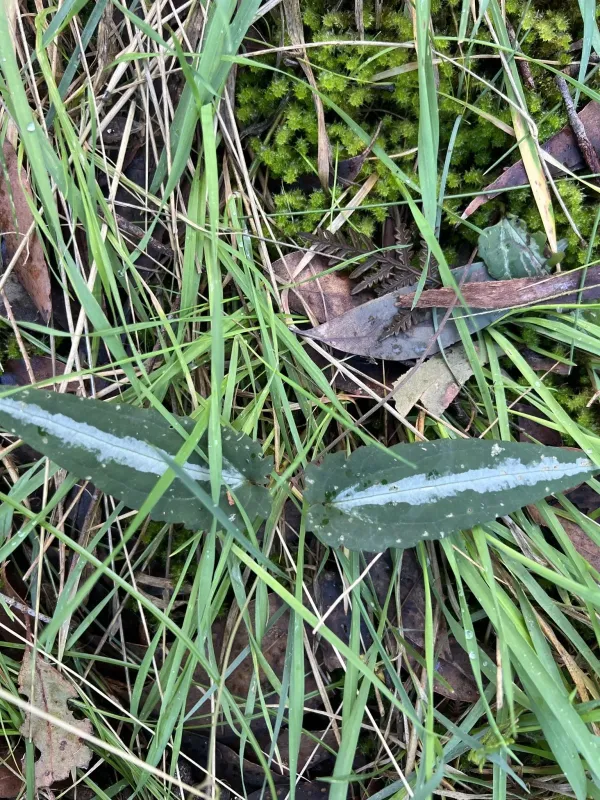
Description
Growing requirements
Clematis aristata x gentianoides is a unique hybrid member of the Ranunculaceae family. This ornamental vine exhibits distinct botanical traits derived from its parental species, making it a valuable addition to specialized garden collections.
The plant thrives in well-drained, nutrient-rich soils that possess a slightly acidic to neutral pH level. Proper soil structure is essential for root development and the overall vitality of the plant throughout the growing season.
Cultural requirements emphasize the need for partial shade or filtered sunlight to protect the foliage from intense heat. A stable microclimate, shielded from strong winds, is preferred to maintain the integrity of the delicate vines and buds.
Regular irrigation is vital during dry periods to prevent moisture stress. Using organic mulch around the base helps regulate soil temperature and ensures consistent hydration levels, which are critical for the plant's health.
Maintenance techniques include the use of vertical supports, as the plant naturally tends to climb. Periodic pruning is recommended to manage the growth habit, improve airflow, and promote a more robust and floriferous canopy.
Main diseases and pests
Fungal wilting is a primary concern for this hybrid, often manifesting as sudden collapse of individual stems. Prompt removal of infected tissue and sanitation are necessary steps to protect the rest of the plant.
Aphids and spider mites are common pests that target the tender growth of the vine. Monitoring the plant regularly, especially during warm and dry spells, is crucial for early detection and manual or chemical intervention.
Root rot remains a frequent issue caused by poor drainage or excessive soil moisture. Avoiding waterlogged conditions through improved soil aeration is the most effective preventative measure against these soil-borne pathogens.
Powdery mildew may develop in areas with stagnant air or high humidity. Ensuring proper spacing between plants and maintaining adequate airflow helps mitigate the risk of fungal leaf infections throughout the season.
Slugs and snails can cause significant damage to emerging shoots during the early spring months. Implementing protective barriers or using baits can effectively reduce the incidence of these pests and safeguard the plant's structural development.