
Alpine clematis
Clematis alpina (L.) Mill.
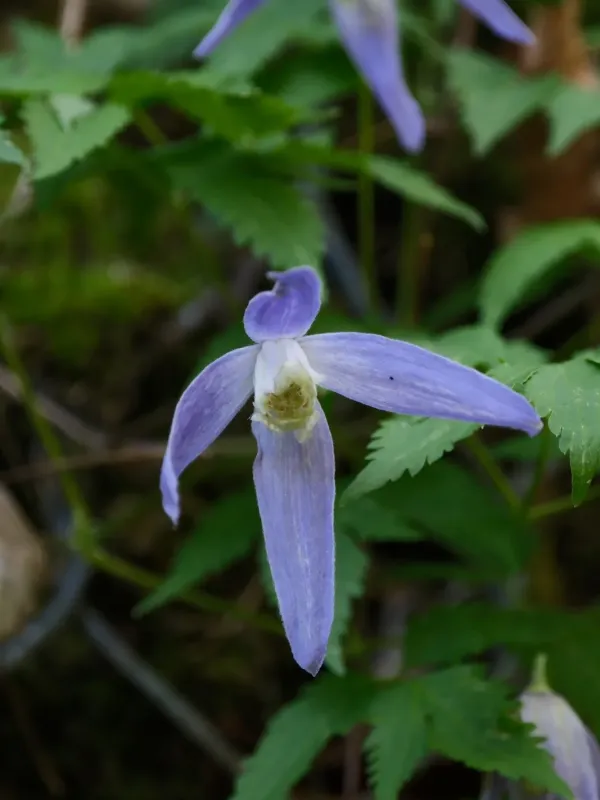
Description
Sowing dates
Alpine clematis (Clematis alpina) is a deciduous woody vine belonging to the Ranunculaceae family. It is a hardy perennial known for its graceful habit and ability to thrive in mountain environments.
Propagation is typically achieved through seeds sown in autumn to allow for natural stratification, which is crucial for breaking seed dormancy and ensuring uniform germination.
For gardeners using stem cuttings, the best time for collection is during late spring or early summer, selecting healthy, non-flowering shoots to ensure rapid root formation.
Transplanting should be handled with care to avoid disturbing the root system, as the plant prefers to establish itself in a single location and dislikes being moved once mature.
When planting, incorporate organic matter into the soil to improve structure and provide necessary nutrients that support the initial growth phase of the vine.
Growing requirements
The plant thrives in fertile, well-draining soil with a neutral to slightly alkaline pH, ensuring that it remains moist but never waterlogged throughout the growing season.
It prefers a location with partial shade, particularly protecting the roots from the direct midday sun which can be harsh and detrimental to the plant's overall health.
Adequate support systems, such as fences, trellises, or pergolas, are essential for this plant, as it utilizes its leaf petioles to wrap around structures and climb upwards.
Regular mulching around the base of the plant is recommended to keep the roots cool, conserve soil moisture, and suppress competing weed growth.
Pruning should be performed sparingly, usually after flowering, to maintain the desired shape and remove any dead or weak growth that might impede air circulation.
Main diseases and pests
Clematis wilt, caused by the fungus Phoma clematidina, is the most serious threat, resulting in sudden wilting and blackening of the stems during the height of the summer.
To mitigate the risk of disease, gardeners should ensure good airflow through the plant and avoid overhead watering, which creates a humid microclimate favorable to fungal spores.
Aphids can frequently colonize the tender tips and flower buds, causing stunted growth and potentially spreading viral infections between plants in the garden.
Slugs and snails may attack young shoots in the early spring, necessitating the use of organic barriers or traps to protect the emerging foliage.
- Monitor for signs of discoloration on foliage.
- Remove and destroy severely affected plant material promptly.
- Apply environmentally friendly fungicides during humid periods.