
Clematis cirrhosa
Clematis cirrhosa L.
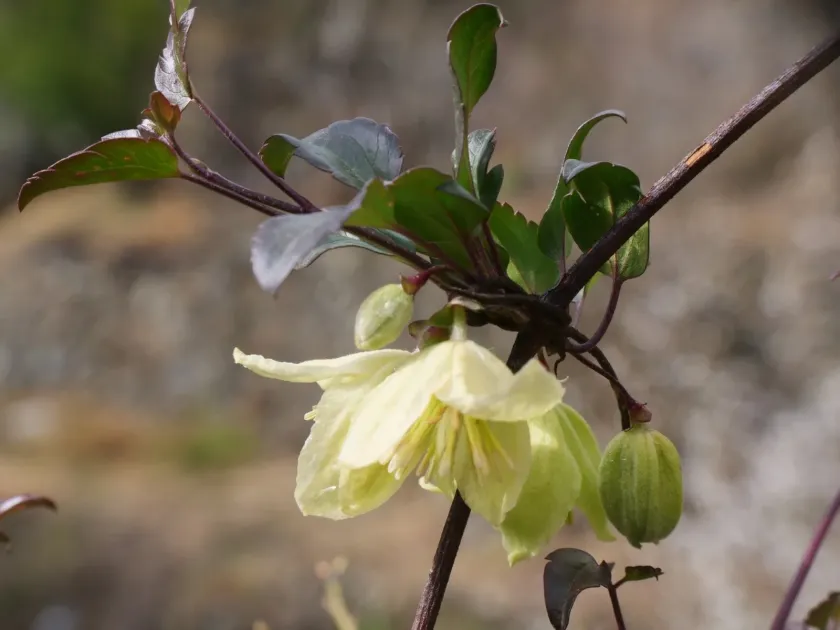
Description
Sowing dates
Propagation of Clematis cirrhosa is most effectively achieved through semi-ripe cuttings taken during the late summer, ensuring a high rate of success.
Seeds can also be used for propagation, though they require a cold stratification period to break dormancy and trigger consistent germination.
When planting in the garden, ensure the root ball is set at the same depth as it was in the nursery pot to avoid stem rotting.
The ideal planting time is in early spring, allowing the root system to establish itself before the arrival of the hot summer sun.
Provide a sturdy trellis or fence immediately upon planting, as this climber develops rapidly and requires vertical support to thrive.
Growing requirements
Clematis cirrhosa is a perennial woody climber from the Ranunculaceae family, native to the Mediterranean region, known for its winter flowering.
This plant prefers a position in full sun to partial shade, sheltered from harsh winds that could damage its delicate evergreen foliage.
Well-drained, fertile soil is essential, preferably with a neutral to slightly alkaline pH to support optimal nutrient uptake and root development.
During the growing season, consistent moisture is necessary, but the soil must not become waterlogged, as this is detrimental to the plant health.
Regular mulching around the base helps retain soil moisture and keeps the roots cool, mimicking the natural conditions of its forest-edge habitat.
Main diseases and pests
Aphids and spider mites are the most common pests, often appearing during spells of dry weather and causing damage to the new, tender shoots.
Powdery mildew is a significant fungal threat, especially in humid conditions or where there is insufficient airflow between the climbing stems.
Clematis wilt, a sudden collapse of the plant stems, remains a concern, requiring careful monitoring and immediate pruning of infected areas.
Slugs and snails can also damage young growth in the spring, making protective barriers or slug pellets a recommended preventative measure.
Good garden hygiene, including the removal of dead leaves and debris from under the plant, significantly reduces the likelihood of pest outbreaks.
Harvesting
As an ornamental plant, Clematis cirrhosa is grown for its aesthetic value in landscape design, with no commercial harvesting of fruits or foliage.
Pruning is the main maintenance activity, usually performed after the plant finishes flowering to keep the structure tidy and encourage new growth.
Seeds may be collected in late spring if desired for experimental propagation, once the fluffy, achene-like seed heads have fully matured.
When trimming the vine, always wear gardening gloves as the sap can cause skin irritation in some individuals sensitive to the Ranunculaceae family.
The evergreen nature of the plant ensures it provides year-round screening, making it a valuable asset for vertical garden architecture and privacy.