
Clematis akoensis
Clematis akoensis Hayata
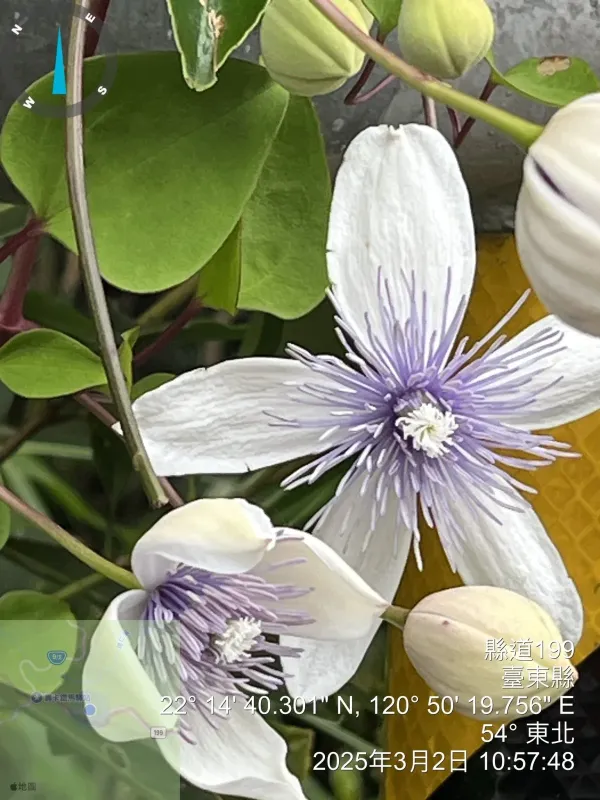
Description
Growing requirements
Clematis akoensis Hayata is a distinct member of the Ranunculaceae family, primarily native to the mountainous regions of Taiwan. It is a perennial woody climber that thrives in humid forest habitats, utilizing its climbing habit to reach sunlight.
The plant features leathery, durable foliage that demonstrates a high degree of adaptation to the fluctuating humidity levels of its indigenous subtropical environment. As a climbing species, it requires structural support to facilitate vertical growth and air circulation.
Soil requirements for this species include high drainage capacity and a nutrient-rich organic substrate. It performs best in neutral to slightly acidic soil conditions, where the root zone is kept cool and shaded from direct intense heat.
Regarding climate, Clematis akoensis is not frost-tolerant, making it suitable for outdoor cultivation only in mild climates or as a conservatory plant in temperate zones. It demands protection from freezing temperatures and desiccating winds.
Agricultural management involves meticulous watering practices to prevent root rot while maintaining consistent soil moisture. Fertilizer application should be focused on the active growth period, providing balanced NPK nutrients to support foliage density.
Main diseases and pests
The primary pathological threats include fungal infections such as powdery mildew and wilt, which are exacerbated by excessive moisture and poor ventilation. Cultural control involves proper spacing and early removal of diseased plant material.
Insects like aphids, spider mites, and root-knot nematodes are common pests for this genus. Integrated pest management strategies, such as biological control and the careful use of selective miticides, are recommended to protect the integrity of the vine.