
Paronychia macrosepala
Paronychia macrosepala
Description
Growing requirements
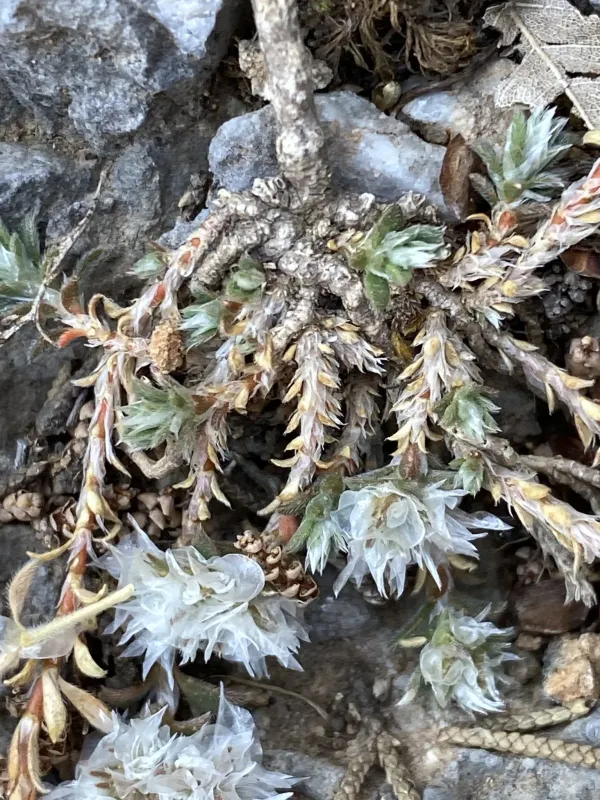
Paronychia macrosepala is a specialized perennial herb belonging to the Caryophyllaceae family. This species is primarily found in high-altitude environments, where it thrives in rocky, gravelly soil types that offer excellent drainage and prevent the accumulation of stagnant water.
Botanically, the plant is distinguished by its cushion-like growth habit and unique, large bracts surrounding the flowers. These structural features allow the plant to withstand harsh mountain winds and intense UV radiation while preserving its internal moisture reserves.
The environmental requirements include a high exposure to direct sunlight and a climate with a distinct cold dormant period. It is essential to maintain a low humidity level around the plant foliage to prevent common fungal infections that occur in dense, humid microclimates.
In terms of agricultural technique, the soil should be kept moderately dry, avoiding any fertilizers with high nitrogen content, which might stimulate excessive vegetative growth at the expense of the plant's hardiness. Mineral-rich, calcareous substrates are the most conducive to healthy development.
The primary utility of this plant lies in rock garden landscaping and biodiversity conservation. Due to its slow growth and specific requirements, it is considered a niche botanical specimen valued by alpine plant enthusiasts and horticulturalists specializing in mountainous flora.
Main diseases and pests
The most significant threats to the survival of Paronychia macrosepala are root rots triggered by high moisture content during the dormant winter phase. Ensuring a proper gravel layer beneath the root zone is the standard preventive measure against these conditions.
Pests such as slugs and snails are the most common herbivores that threaten the young shoots of the plant. Maintaining clear spaces around the base of the cushions and regular monitoring are vital strategies for ensuring the long-term health and aesthetic value of the planting site.