
Canada nailwort
Paronychia canadensis
Description
Growing requirements
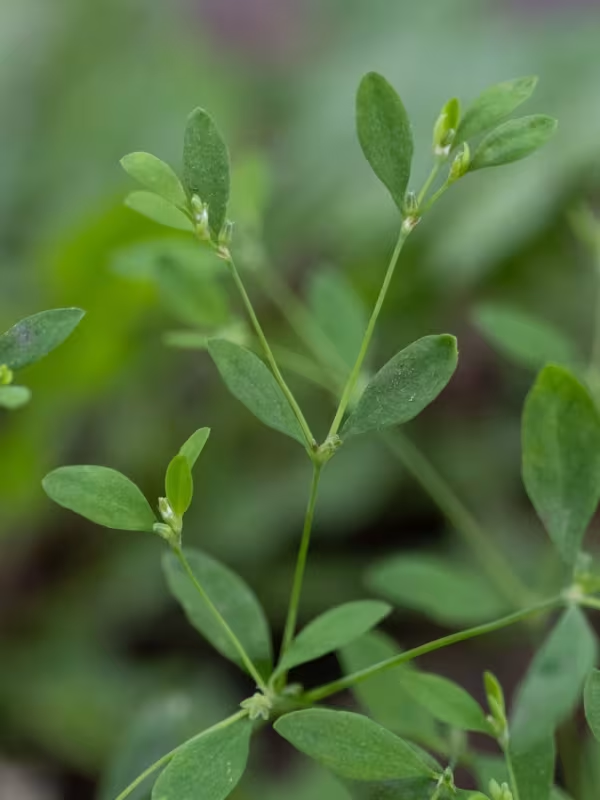
Canada nailwort (Paronychia canadensis) is a herbaceous perennial plant belonging to the Caryophyllaceae family. It is recognized for its delicate, branched stems and small, lanceolate leaves, often growing in clusters that cover the ground surface efficiently.
The native range of this species is primarily in North America, where it thrives in rocky outcrops, dry forest margins, and sandy soils. Understanding its ecological niche is essential for successful cultivation, as the plant is specifically adapted to environments with limited nutrient availability.
In terms of climatic requirements, Canada nailwort prefers temperate conditions with ample access to filtered sunlight. It performs best in areas that offer consistent environmental stability, avoiding extreme heat stress which can negatively impact its delicate foliage and overall vitality.
Soil drainage is the most significant factor in the successful growth of Paronychia canadensis. It requires gritty or rocky soil compositions that prevent water saturation, as the roots are highly susceptible to rot if kept in consistently damp or heavy clay-based soils.
Maintenance and agricultural management of this plant are relatively minimal due to its hardy nature in appropriate conditions. Occasional weeding and careful monitoring for signs of soil compaction are recommended to keep the plant vigorous throughout the growing season.
Main diseases and pests
The most prominent threats to Canada nailwort are fungal pathogens associated with excessive soil moisture. Root rot and damping-off disease are common issues in environments with poor air circulation or improper drainage systems.
Insect pests, specifically sap-sucking insects like aphids, may occasionally infest the stems, particularly in dry conditions. Maintaining good plant hygiene and ensuring the health of the surrounding soil microbiome are primary preventative strategies for healthy cultivation.