
Paronychia brasiliana
Paronychia brasiliana
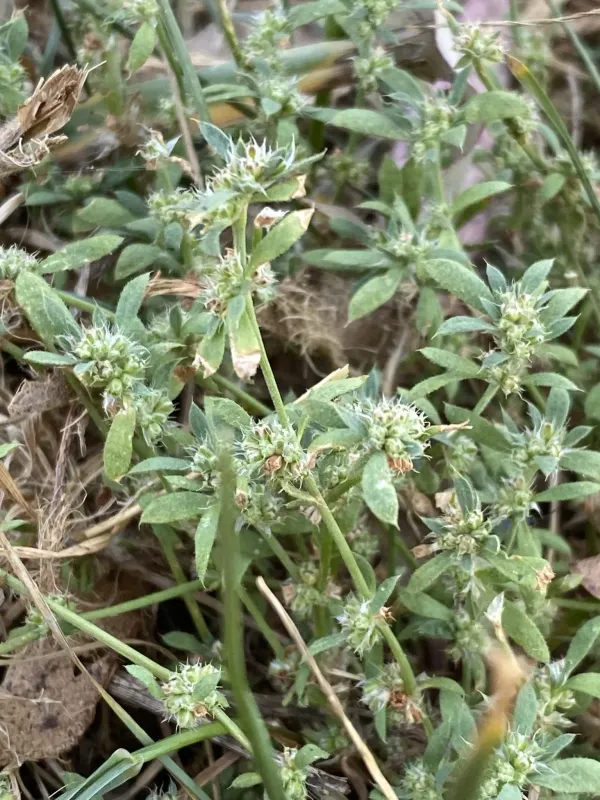
Description
Sowing dates
Paronychia brasiliana is a perennial herbaceous plant, typically propagated by seeds during the spring season. The ideal sowing time begins once soil temperatures reach 12–15 degrees Celsius consistently.
Seeds are notably small, necessitating shallow planting at a depth of 0.5 to 1 centimeter. To ensure uniform germination, it is recommended to stratify or pre-soak the seeds for approximately two weeks before planting.
In commercial operations, sowing is conducted in rows with spacing up to 40 centimeters, providing adequate space for the plants to spread. An optimal density is 8–10 plants per square meter.
Seedlings emerge within 14–20 days, provided the surface layer of the substrate remains consistently moist. During the first year, the plant focuses its energy on developing a strong root system and a basal leaf rosette.
For vegetative propagation, division of the root clump can be performed in late August, allowing the plants to establish themselves before the onset of winter dormancy.
Growing requirements
Belonging to the Caryophyllaceae family, this plant thrives in open, sunny locations. While it exhibits good drought tolerance, regular irrigation during the active growth phase is necessary for high-quality biomass production.
The ideal soil is light, well-drained, sandy, or loamy with a neutral to slightly acidic pH. Waterlogging is detrimental to this species, as it significantly increases the risk of root rot.
The plant responds well to moderate applications of complex mineral fertilizers, particularly those rich in potassium and phosphorus. Nitrogen fertilization should be limited to prevent excessive leaf growth at the expense of secondary metabolites.
In temperate climates, winter protection is advised, as the plants may suffer from severe frost. In its natural range, the plant is adapted to the warmer climate of South America.
Effective weed control is critical during the establishment period. Mulching around the plants helps to suppress weed competition and maintain consistent soil moisture levels.
Yield
The economic value of Paronychia brasiliana lies in its aerial parts, which are harvested for medicinal use. Under optimal conditions, dry matter yields can reach 15–20 decitonnes per hectare.
Primary use cases involve the pharmaceutical industry and herbal medicine, where it is valued for its anti-inflammatory and diuretic properties. It is often utilized in infusions and extracts.
Maximum yields are typically achieved in the second and third years after planting. After five years, the plantation should be replanted to maintain productivity levels, as the plants begin to decline.
The quality of the raw material depends heavily on harvest timing, specifically during the full-flowering stage, when the concentration of bioactive compounds is at its maximum.
Proper drying is essential, as the harvested material is sensitive to humidity. It should be processed immediately in a well-ventilated, shaded area to prevent quality loss.
Main diseases and pests
Fungal diseases, particularly root rot and Fusarium wilt, represent the most significant threat to the crop, usually exacerbated by poor drainage. Prevention focuses on strict irrigation management and crop rotation.
Pests such as aphids and spider mites can infest the crops, feeding on the tender young shoots. Biological control agents are preferred to ensure the medicinal purity of the final product.
Slugs may cause damage in particularly wet seasons, especially on heavier soils. Installing physical barriers or traps is an effective way to manage these populations without chemicals.
Overcrowding in the field can promote gray mold development. Regular thinning of the plantation is necessary to improve air circulation and reduce humidity around the foliage.
Viral infections require immediate action; affected plants should be removed and destroyed to prevent the spread of the virus to healthy plants within the plantation.
Harvesting
Harvesting is performed by cutting the aerial parts of the plant at a height of 3–5 centimeters above the soil level. Using sharp, clean tools is vital to avoid unnecessary damage to the crown of the plant.
The best time to harvest is during dry, sunny mornings after the dew has evaporated. This practice helps preserve volatile oils and active ingredients, which can be degraded by excessive heat.
The harvested material must be moved immediately to a drying facility. Leaving the cut biomass in piles can cause heat buildup, which rapidly degrades the product quality through fermentation.
Drying is complete when the stems become brittle and snap easily. The final product should be stored in airtight containers in a cool, dark place to protect it from light and moisture.
Strategic harvesting can stimulate secondary branching, potentially allowing for a second harvest during the same season if water and nutrient conditions are maintained.