
Paronychia aretioides
Paronychia aretioides
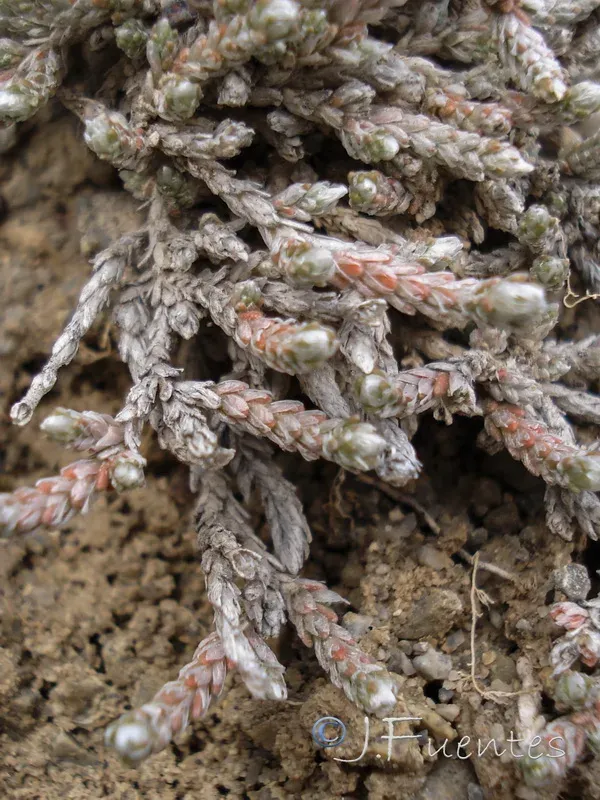
Description
Growing requirements
Paronychia aretioides is a distinct perennial plant member of the Caryophyllaceae family. Native to the mountainous regions of the Iberian Peninsula, this species has evolved a unique cushion-forming habit to thrive in high-altitude environments characterized by thin soils and harsh winds.
Botanically, it features minute, imbricated leaves that create a compact, moss-like mat. This structural adaptation is essential for retaining moisture and protecting the root system from the desiccating effects of high-elevation exposure.
Cultivation requires specialized conditions that mimic its natural habitat. A gritty, mineral-based soil with exceptional drainage is mandatory, as the plant is highly susceptible to root rot if grown in heavy or moisture-retentive media.
Environmental preferences include full sun exposure and a cool, airy climate. The plant struggles in hot, humid summers, making it ideal for rock gardens or specialized alpine frames where temperature and humidity can be managed effectively.
In landscaping, it is valued for its textural quality and ability to fill crevices in stone walls or rock formations. It serves as a classic specimen for alpine enthusiasts focused on high-quality botanical collections and rock garden design.
Main diseases and pests
The primary threats to Paronychia aretioides are fungal pathogens associated with waterlogging. Prolonged exposure to damp conditions inevitably leads to collar rot and dieback of the dense cushion, which is often irreversible.
Insect pests such as spider mites may pose a risk during periods of restricted airflow or extreme heat. Regular monitoring is necessary, particularly in greenhouse cultivation, to prevent infestations that can compromise the plant's delicate structure.
Integrated pest management should focus on maintaining optimal aeration and avoiding overhead irrigation. If intervention is required, systemic fungicides or miticides should be applied with caution to prevent chemical stress to the foliage.
Competition from invasive weeds is a significant factor in plant health. Because the species exhibits very slow growth, it lacks the vigor to survive if overgrown by more aggressive herbaceous species in the same planting zone.
Winter care is equally crucial; excessive moisture during thawing cycles can lead to tissue damage. Protecting the crown with a layer of grit or sharp sand helps maintain dryness and promotes successful wintering of the plant.