
Paronychia cephalotes
Paronychia cephalotes
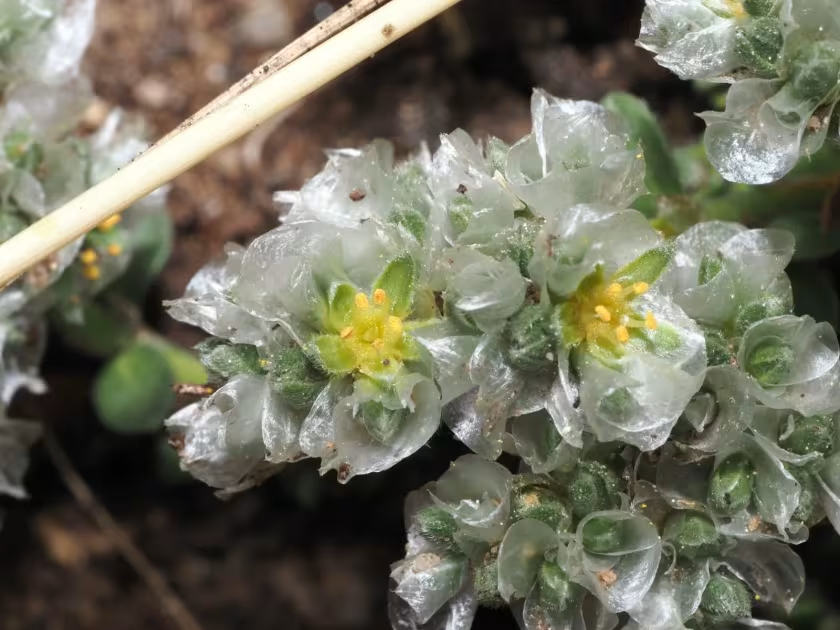
Description
Sowing dates
The sowing of Paronychia cephalotes is typically performed in early spring once the soil has sufficiently warmed up. Seeds require a period of stratification to achieve optimal germination rates in moderate climate conditions.
When starting from seeds, they should be sown in a light, well-draining substrate at a depth of no more than 0.5 cm. Maintaining a stable temperature between 18–20 degrees Celsius is essential for uniform and healthy seedling development.
Winter sowing is also a viable method for this crop, as natural stratification encourages hardiness and leads to more vigorous early spring growth after the dormancy period.
When transplanting seedlings, spacing should be maintained at 20–25 cm between individual plants. Proper spacing ensures adequate air circulation, which is crucial for preventing dampness-related issues at the base of the stems.
As a member of the Caryophyllaceae family, the plant demands high levels of light from the very start. Shade during the early development stages will inevitably lead to leggy, weak plants with a lower survival rate.
Growing requirements
Paronychia cephalotes is a true xerophyte, meaning its primary requirement for successful cultivation is poor, rocky, or sandy soil with excellent water drainage properties.
Standing water in the root zone is lethal for this species. Even short periods of waterlogging can trigger root rot and rapidly lead to the collapse of the plant, making drainage the absolute priority.
The plant thrives in open, sun-drenched locations. In shaded areas, the plant loses its dense form and becomes highly susceptible to rotting and various fungal infections, reducing its aesthetic appeal.
The optimal pH range for this crop is neutral to slightly alkaline. The use of nitrogen-rich fertilizers should be avoided, as it encourages excessive vegetative growth, which can weaken the plant's winter hardiness and structural integrity.
The plant demonstrates high winter hardiness, provided the soil remains dry. In cold regions, minimal protection from excessive moisture during winter thaws is recommended to keep the plant healthy.
Yield
The primary use of Paronychia cephalotes is in landscape design, specifically for creating dense, silver-toned groundcover carpets in rock gardens and alpine beds.
The plant is highly valued for its ability to form compact mats that remain aesthetically pleasing throughout the entire growing season. With proper care, it quickly establishes itself and covers target areas effectively.
While not a traditional agricultural commodity, it serves as a valuable crop for specialized nurseries that focus on alpine and drought-tolerant perennial plants.
Seed harvesting should be timed for late summer when the bracts appear dry and parchment-like. Since the seeds are minute and prone to shedding, careful and timely harvest is required to ensure yields.
Its productivity in terms of foliage density depends heavily on the mineral content of the substrate. Stony substrates ensure the longest lifespan and the most desirable appearance for this hardy species.
Main diseases and pests
The main threats to the crop are fungal diseases caused by excessive soil moisture. Root rot is the most common cause of plant loss, particularly during rainy spells or early spring thaw.
Soil-dwelling larvae can pose a significant threat by damaging the delicate root systems of younger plants. Preventive measures include soil preparation and ensuring a clean growing environment.
In dense, poorly ventilated plantings, powdery mildew may develop. Management involves removing the affected parts and improving airflow through selective pruning of the patches.
Nematodes can also affect the roots, leading to stunted growth. Using sterilized potting media is the best defense against such soil-borne pathogens in professional nursery settings.
- Root rot (Rhizoctonia)
- Powdery mildew
- Soil nematodes
- Root-feeding larvae