
Paronychia cymosa
Paronychia cymosa
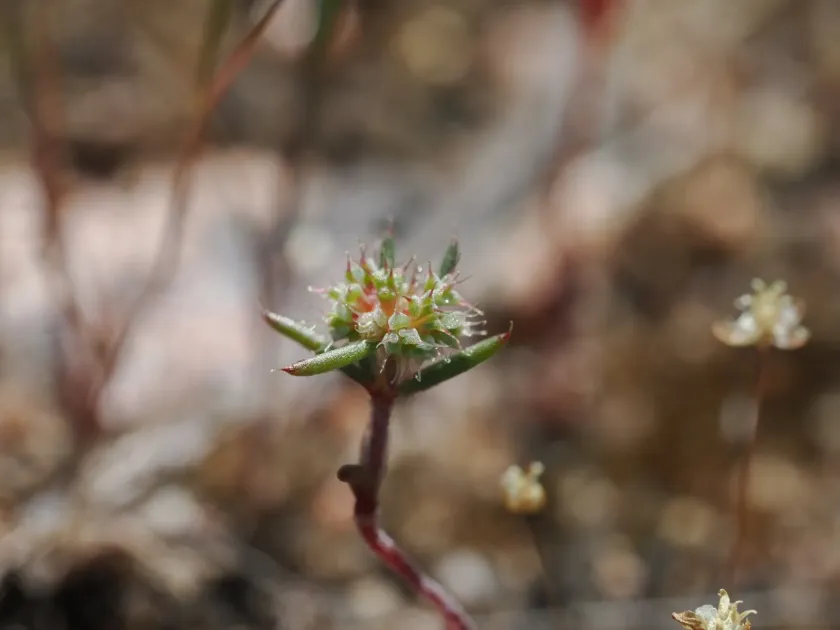
Description
Growing requirements
Paronychia cymosa is a perennial herbaceous plant belonging to the Caryophyllaceae family. Naturally found in rocky environments, it is highly valued for its ability to thrive in poor, stony soils where other species might fail to establish themselves.
The plant grows as a low-lying ground cover, forming dense mats of tiny leaves that are often silver-toned or pubescent. This morphological feature helps the plant survive in harsh, arid climates by reducing transpiration and reflecting excess solar radiation.
It requires full sun exposure for healthy development. Adequate solar intensity is crucial for maintaining the plant's characteristic compact habit and promoting healthy flowering cycles during the active growing season.
Soil requirements focus on excellent drainage. It performs best in sandy or gravelly substrates with a neutral to slightly alkaline pH. The root system is delicate and prone to rot if exposed to waterlogged conditions for extended periods.
In terms of agricultural maintenance, it requires little intervention. Once established, the plants are remarkably drought-tolerant, requiring irrigation only during extreme heatwaves or prolonged periods of drought.
Main diseases and pests
The primary threats to Paronychia cymosa are fungal pathogens, specifically those causing root and crown rot. These issues are almost exclusively associated with improper moisture management and inadequate drainage.
Insect pests are relatively rare as the plant is not a primary host for common agricultural insects. However, under stress or in overcrowded conditions, aphids may occasionally be observed on the tender growth tips.
Prevention is the most effective strategy. By ensuring a well-draining environment and avoiding excessive humidity around the root collar, most fungal problems can be easily avoided throughout the entire life cycle of the plant.
If fungal infections appear, immediate removal of affected plant parts is recommended, followed by the application of appropriate fungicide treatments to protect the remaining healthy population from potential spread.
Monitoring the plants regularly is key to maintaining a healthy crop. Pay close attention during the transition between wet and dry seasons when plants are most susceptible to sudden shifts in water availability.