
Paronychia chlorothyrsa
Paronychia chlorothyrsa
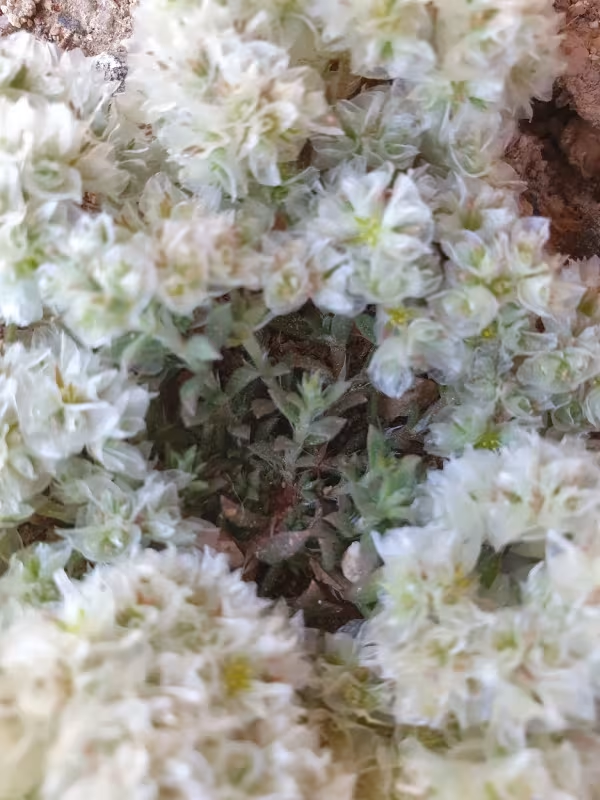
Description
Sowing dates
Seeds of Paronychia chlorothyrsa are typically sown in spring when soil temperatures reach 15–18 degrees Celsius. To achieve uniform germination, the seeds require stratification, so sowing can be conducted in late autumn in open ground or in specialized containers with a drainage layer.
The sowing depth must be minimal, as the seeds are very small and require light for proper germination. After sowing, the substrate surface is lightly covered with sand to prevent the topsoil from drying out and to ensure optimal contact between the seeds and the soil.
For commercial production or landscaping purposes, using the plug-tray method for seedling cultivation is highly recommended. This practice minimizes root system damage during transplanting to the permanent site, ensuring faster establishment.
The optimal planting density is 20 by 20 centimeters, which provides sufficient space for the plant to develop its characteristic compact, cushion-like growth habit. Development during the first weeks after germination is slow, so maintaining weed-free conditions is crucial.
In greenhouse conditions, sowing dates can be moved earlier if supplemental lighting is provided. This allows for producing high-quality seedlings ready for field transplanting by the start of the warm season.
Growing requirements
Paronychia chlorothyrsa belongs to the Caryophyllaceae family and is a resilient groundcover plant adapted to stony and nutrient-poor soils. It requires sunny locations with excellent aeration, as excessive air humidity can trigger the development of fungal rots.
The growing medium must have high permeability and a neutral to slightly alkaline pH. The plant is exceptionally drought-tolerant but requires protection from waterlogging; therefore, on heavy soils, a drainage layer consisting of gravel or coarse sand is mandatory for success.
The species demonstrates high resistance to temperature fluctuations, although in regions with harsh, snowless winters, light protection using agrofibre or spruce branches is advised. High light intensity is an essential factor for maintaining the plant's decorative appearance and biological activity.
Irrigation must be moderate and strictly controlled, applied only during periods of prolonged drought. The plant reacts poorly to fresh organic fertilizers, so it is better to use low-nitrogen mineral complexes for any necessary supplemental nutrition.
In agricultural and landscaping use, Paronychia is valued for its ability to create a dense, evergreen carpet. It is perfectly suited for alpine gardens, rockeries, and the creation of groundcover mats that prevent soil erosion on slopes.
Main diseases and pests
The primary threat to plant health is root rot, caused by improper water management and poor drainage. To prevent this disease, it is critical to adhere strictly to irrigation schedules and avoid over-compacting the topsoil layer.
Pests such as spider mites can infest Paronychia under conditions of extreme heat and dry air. Upon the first signs of pest colonization, it is recommended to apply specialized acaricides in accordance with current agricultural regulations.
Powdery mildew may occur during sharp fluctuations in air humidity and poor ventilation within the plant cluster. Systemic fungicides are used to combat fungal pathogens, along with thinning the plantings to improve air circulation.
Leaf-eating insects rarely cause significant economic damage, although high population densities can diminish the plant's ornamental qualities. An integrated pest management system includes biological control methods and the use of contact-action insecticides.
Disease prevention relies on maintaining high agronomic standards: timely weeding, strict humidity control, and avoiding overcrowded plantings, which prevents the creation of favorable environments for pathogen proliferation.