
Palm sedge
Carex muskingumensis Schweinitz
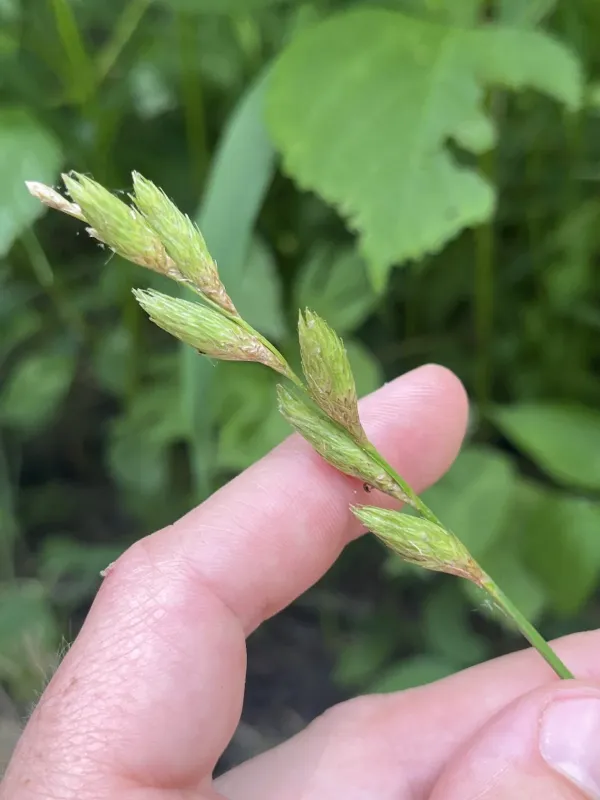
Description
Growing requirements
Palm sedge, known botanically as Carex muskingumensis, is a perennial herbaceous plant belonging to the Cyperaceae family. It is native to the woodlands and floodplains of North America, where it thrives in naturally damp environments.
The plant is highly valued for its unique architectural appearance. Its foliage is arranged in a distinct pattern along the stem, closely resembling the fronds of a miniature palm tree, which makes it a standout specimen in any garden setting.
Growth requirements for this species focus primarily on soil moisture and fertility. It performs best in soils that remain consistently moist, although it is adaptable enough to withstand occasional dry spells once the plant is fully established.
Light preferences for Palm sedge range from partial shade to full sun. While it can tolerate sunny locations, the foliage color and overall vigor are often superior in areas with filtered or partial sunlight.
Cultivation practices are straightforward, involving minimal pruning and the provision of mulch to retain soil moisture. It is a hardy species that does not require winter protection in most temperate climates.
Main diseases and pests
Palm sedge is remarkably resistant to most common garden pests and diseases. Its tough, grass-like texture generally discourages herbivorous insects and prevents the colonization of common fungal pathogens.
In very humid or stagnant air conditions, minor instances of leaf spot can occur. These are usually cosmetic issues and do not threaten the long-term survival of the plant, provided good air circulation is maintained.
No specific large-scale pest control measures are required. If aphids or mites appear, a gentle stream of water or insecticidal soap is typically sufficient to mitigate the population before it causes significant damage.
The most important maintenance task to prevent potential threats is late-winter grooming. Cutting the old foliage down to the ground before new growth emerges removes any debris where pests or fungal spores might overwinter.
Vigilance during extreme drought periods is recommended, as stressed plants are more susceptible to opportunistic diseases. Proper irrigation is the best defense against all biotic and abiotic threats for this species.