
Carex punicea
Carex punicea K. A. Ford
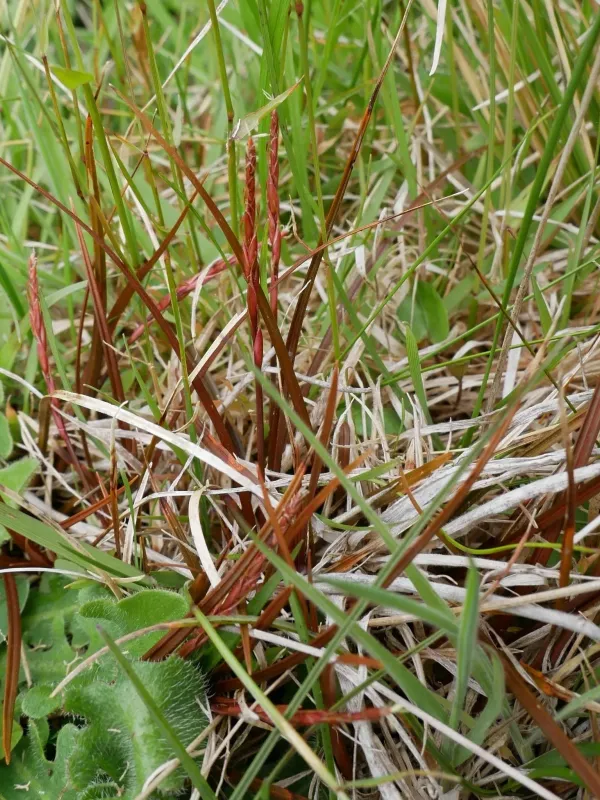
Description
Growing requirements
Carex punicea is a perennial herbaceous plant belonging to the Cyperaceae family. It is native to New Zealand and is highly regarded for its distinctive, vibrant, and dark-toned foliage.
The plant exhibits a clumping growth habit, making it an excellent choice for textured landscaping and structured garden designs. Its physical appearance is characterized by long, slender, and stiff leaves.
Optimal growth requires well-draining, moisture-retentive soils. It thrives in locations that receive either full sun or partial shade, depending on the intensity of the regional climate.
The plant is adapted to cool-temperate environments but requires protection in areas where hard frosts are common. Proper site selection is crucial to ensure longevity and healthy growth.
Commercially, it is used as an ornamental plant in nurseries and landscaping projects, adding color and visual interest throughout the growing season.
Main diseases and pests
Like many sedges, Carex punicea is susceptible to fungal diseases if grown in waterlogged conditions. Proper drainage is the most effective preventative measure against root rot.
Pests such as aphids and spider mites can occasionally affect the plant, particularly in stressed or improperly ventilated environments. Early detection is key to effective control.
Good air circulation around the plants is essential to prevent moisture buildup and inhibit the growth of mold or mildew within the dense leaf clusters.
Monitoring the moisture levels in the soil is critical, as overly damp conditions can lead to the deterioration of the plant's root system and general decline.
When necessary, integrated pest management practices should be followed to control infestations while maintaining the overall health of the plant and its surrounding environment.