
Hooked sedge
Carex uncinata L. f.
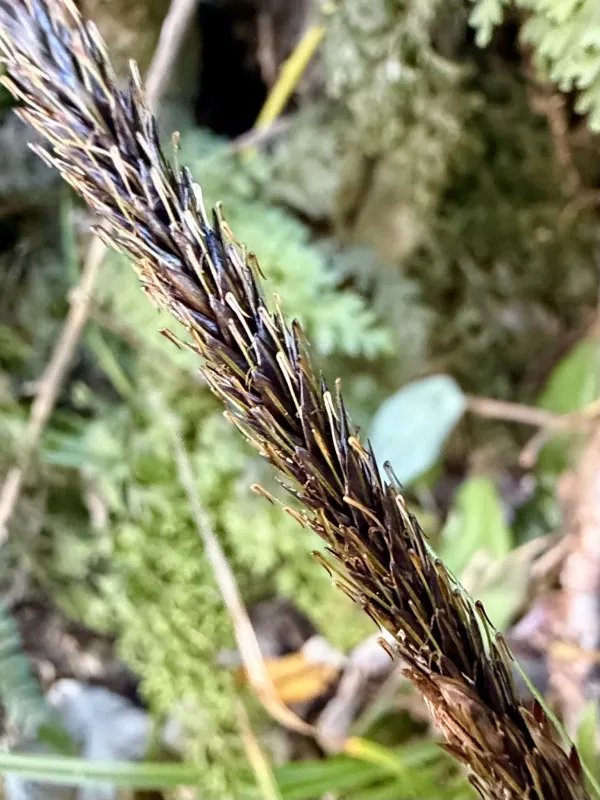
Description
Sowing dates
Hooked sedge (Carex uncinata), belonging to the Cyperaceae family, is a perennial plant primarily propagated through the division of mature clumps. This method ensures the preservation of varietal characteristics and provides the quickest establishment in a new area.
For seed propagation, sowing is best performed in early spring. The seeds require a period of stratification to break dormancy, which mimics the natural overwintering process and improves germination rates significantly.
Seeds should be sown shallowly in well-drained but moisture-retentive substrate. Proper contact between the seed and the soil is essential, so light pressing of the seed into the surface is recommended rather than deep burying.
In nursery settings, tray propagation is preferred. Using a peat-based mix with sufficient aeration allows for robust root development, which is critical for the survival of young sedge plants when moved to the field.
Spacing during planting should be determined by the intended outcome. For landscape cover, a distance of 20-30 centimeters is appropriate to allow the sedge to fill in the gaps over the course of one to two growing seasons.
Growing requirements
As a moisture-loving species, Carex uncinata thrives in environments with high humidity and consistent soil moisture. It is particularly well-suited for riparian buffers, pond margins, or damp, low-lying landscape areas.
The plant performs optimally in rich, organic, slightly acidic to neutral soils. Soils that are high in clay content are typically preferred over sandy soils, as clay retains the moisture necessary for sedge development.
Climate adaptability is a strength of this species. It can withstand cooler temperatures but benefits from a temperate climate where seasonal rainfall supports continuous growth through the summer months.
Light requirements are flexible, ranging from full sun to partial shade. However, in regions with intense summer heat, light shade is beneficial to prevent the foliage from scorching and to maintain the plant's aesthetic quality.
Regular maintenance includes monitoring soil moisture levels during dry spells. Although established plants have moderate drought tolerance, active growth is significantly enhanced by supplemental irrigation in the absence of rain.
Main diseases and pests
While generally hardy, Hooked sedge can be susceptible to fungal diseases such as leaf rust, especially in stagnant or poorly ventilated environments. Proper spacing is the most effective cultural control measure against these issues.
Root-feeding pests, including wireworms or larvae of certain beetle species, are the most significant threats to the underground parts of the plant. These pests can cause chlorosis or thinning of the sedge clump if left unmanaged.
Effective pest management relies on early detection. Regularly inspecting the base of the plant for signs of tunneling or necrotic tissue helps in taking timely corrective actions before the damage spreads.
In cases where chemical treatment is necessary, integrated pest management (IPM) practices should be followed. Use fungicides or insecticides that are targeted to the specific pathogen or pest while minimizing impact on the local ecosystem.
Maintaining high hygiene standards in the field, including the removal of dead or decaying foliage during the late winter, reduces the overwintering sites for both fungal pathogens and insect pests.