
Carex bostrychostigma
Carex bostrychostigma Maxim.
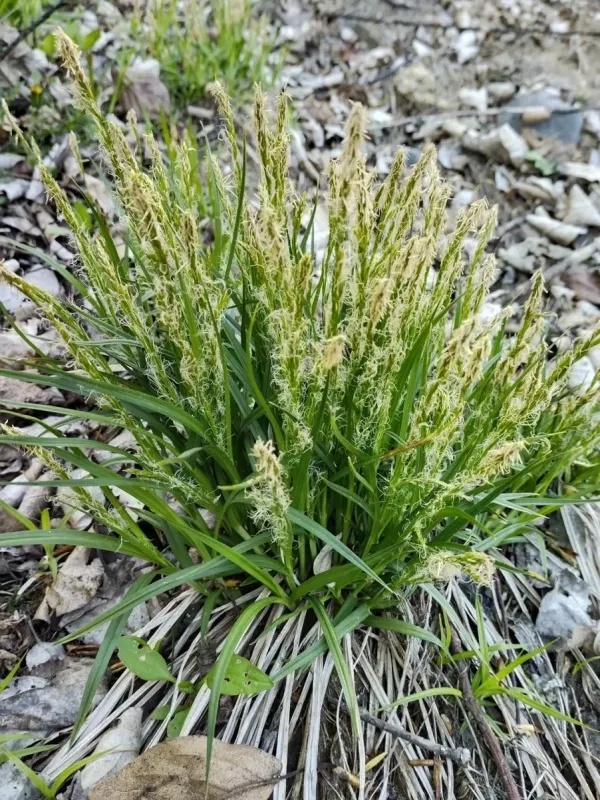
Description
Growing requirements
Carex bostrychostigma is a perennial herbaceous plant belonging to the Cyperaceae family. It is native to Eastern Asia, primarily found in regions such as the Russian Far East, China, and Japan, where it thrives in moist, temperate ecosystems.
This species is characterized by its strong, fibrous root system and narrow, grass-like leaves, which are typical features of the Carex genus. Its growth habit is cespitose, meaning it forms dense clumps that help stabilize the surrounding soil in its natural habitat.
Regarding environmental requirements, the plant is classified as a hydrophytic or semi-aquatic species. It demands a high level of soil moisture throughout the growing season and thrives best in marshes, pond margins, or wet meadow environments.
In cultivation, it is essential to provide acidic to neutral, nutrient-rich soils. While it exhibits some shade tolerance, Carex bostrychostigma performs optimally when provided with sufficient light exposure, ensuring the development of its characteristic foliage texture.
Maintenance practices mainly involve ensuring consistent irrigation to prevent soil desiccation. Due to its hardiness and aesthetic value, it is widely utilized in water-sensitive landscape projects, offering both visual appeal and environmental stability for erosion control purposes.