
Hair sedge
Carex comans Berggr.
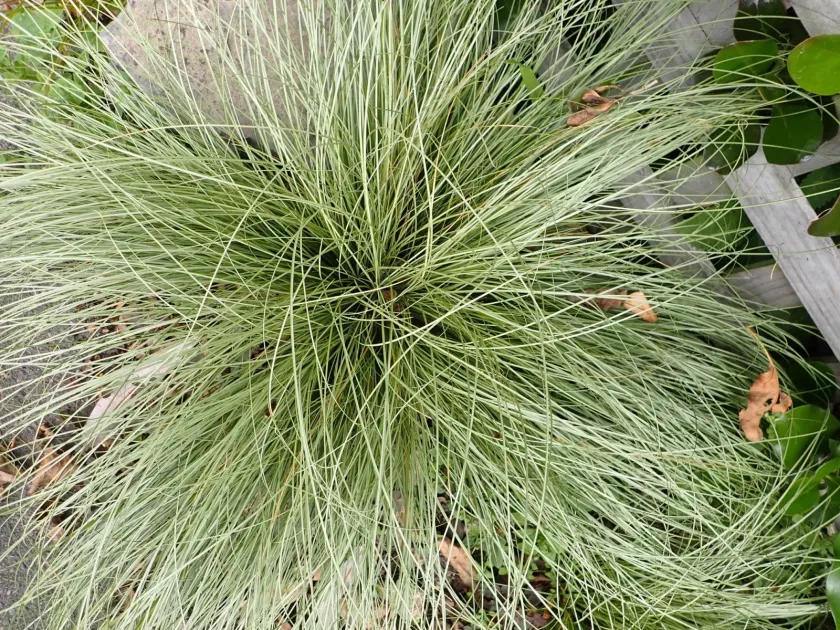
Description
Sowing dates
Propagation of Carex comans is commonly achieved through seed sowing in late winter or early spring under controlled greenhouse conditions.
Seeds should be sown on the surface of a fine, moist potting mix and only lightly covered, as they require light to germinate effectively.
Maintaining a steady temperature between 18°C and 20°C ensures optimal germination rates for this cool-season grass species.
Once seedlings have developed a strong root system, they are transplanted into individual pots to harden off before the final outdoor planting.
Division of established clumps is another reliable method, best performed in early spring as the plant begins its main period of vegetative growth.
Growing requirements
Carex comans, belonging to the Cyperaceae family, is a versatile ornamental grass native to the diverse landscapes of New Zealand.
The plant thrives in well-draining, moderately fertile soil and prefers positions that offer partial shade or filtered sunlight during the hottest part of the day.
While it is relatively drought-tolerant once established, it prefers consistent soil moisture to maintain the lush appearance of its fine-textured foliage.
It is crucial to avoid heavy or waterlogged soils, which can induce root rot and significantly compromise the vigor of the plant cluster.
In terms of climate, it adapts well to temperate zones, though it may require winter protection in extremely cold regions to prevent damage to the crown.
Main diseases and pests
Hair sedge is generally robust, but it can be susceptible to fungal diseases such as leaf spot if air circulation around the base is insufficient.
Root rot caused by poor soil drainage remains the most significant physiological threat, often resulting in yellowing and gradual decay of the foliage.
Pests like aphids and spider mites may occasionally colonize the fine leaves, particularly during periods of intense summer heat and low humidity.
Effective management involves maintaining proper spacing between plants to ensure adequate ventilation and preventing the accumulation of damp debris.
If chemical intervention is necessary, gardeners should use approved horticultural oils or systemic fungicides, strictly following the manufacturer's dosage instructions.