
Carex edura
Carex edura K. A. Ford
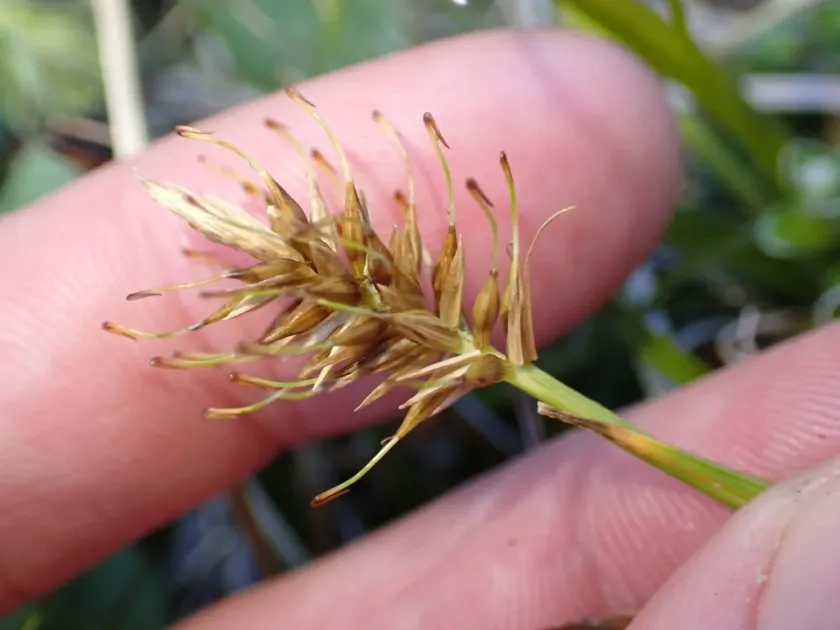
Description
Growing requirements
Carex edura, belonging to the Cyperaceae family, is a distinctive perennial sedge native to New Zealand. It has gained popularity among horticulturalists for its structured growth habit and year-round aesthetic appeal, making it a valuable asset for various planting schemes.
The plant thrives in temperate climates, requiring sites with well-draining soil that retains sufficient moisture. While it prefers full sun for optimal foliage development, it can tolerate partial shade, provided the environmental conditions mimic its natural open habitat.
Botanically, Carex edura forms dense, rounded clumps of narrow, leathery leaves. This structure is an evolutionary adaptation to coastal or alpine environments, allowing the plant to remain resilient against harsh winds and variable temperatures common in its native range.
In terms of soil requirements, this species favors slightly acidic to neutral substrates rich in organic matter. Proper drainage is the most critical factor for success; waterlogged soils, especially during colder months, can lead to root damage and overall decline of the specimen.
Its primary use is in ornamental landscaping, where it is utilized for borders, rock gardens, and mass planting. Its ability to maintain a tidy, architectural form makes it an ideal choice for minimalist and contemporary garden designs that focus on texture and form.
Main diseases and pests
The health of Carex edura is largely dependent on preventing fungal issues, which are often the result of poor air circulation and excessive moisture. Root rot is a particular concern if the soil does not allow for efficient water drainage after heavy rainfall.
Pests such as slugs and snails are frequent visitors that can significantly disfigure the leaves during the early growing season. Gardeners often manage these populations by using physical barriers or organic bait to protect the integrity of the foliage.
Preventive maintenance includes keeping the plant base free of debris and ensuring that the foliage dries out quickly after exposure to moisture. Regular inspection for any signs of leaf spots or discoloration is recommended to catch potential infestations early.
During the dormant season, cleaning out dead leaves helps prevent the accumulation of moisture near the crown. This simple practice reduces the breeding grounds for pathogens and promotes vigorous regrowth as soon as the temperatures begin to rise in the spring.
Chemical intervention should be a last resort. Instead, cultural practices, such as proper spacing to ensure adequate airflow and selecting a site that prevents water accumulation, are the most effective ways to maintain a healthy and robust Carex edura display.