
Glaucous sedge
Carex flacca Schreb.
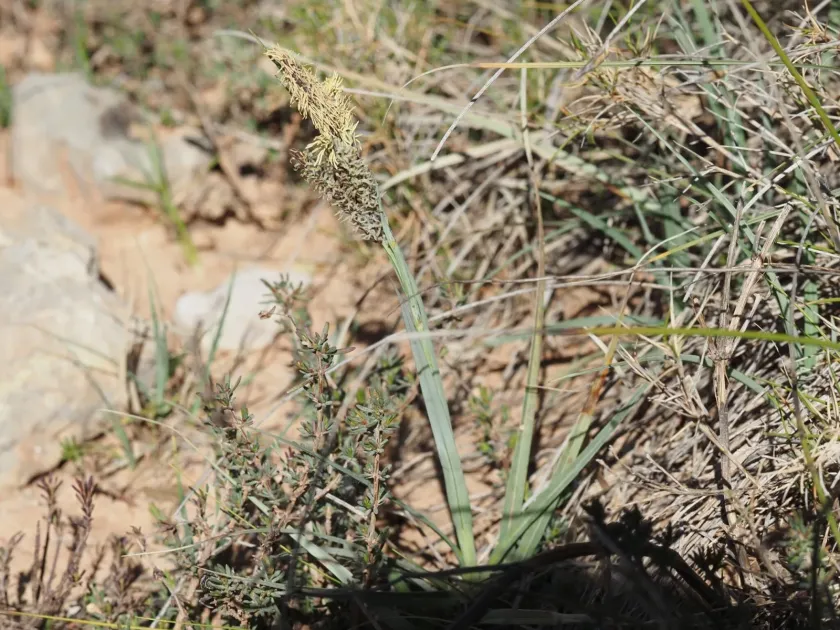
Description
Growing requirements
Glaucous sedge (Carex flacca Schreb.) is a perennial rhizomatous plant belonging to the Cyperaceae family. It is widely recognized for its distinctive blue-green foliage and ability to form robust, dense mats, making it an excellent choice for ground cover and stabilization purposes.
The native range of this species extends throughout Europe and North Africa. It is typically found in habitats ranging from damp, calcareous grasslands to dry rocky slopes, demonstrating significant physiological flexibility across diverse environmental gradients.
The plant thrives best in full sun to partial shade conditions. It shows a remarkable tolerance for various soil types, including clay and limestone-rich substrates, provided that there is adequate drainage during the winter months to prevent root rot.
Regarding agrotechnical management, Carex flacca is relatively low-maintenance. Planting should be done in well-prepared soil to ensure rapid establishment of the root system. Once mature, it requires minimal irrigation, as it is moderately drought-tolerant compared to other sedge species.
Regular maintenance involves spring grooming, where dead or damaged foliage is removed to allow for healthy new growth. This practice is essential for maintaining the aesthetic appeal of the plant and preventing the buildup of debris that could foster fungal growth within the clumps.
Main diseases and pests
Glaucous sedge is generally hardy and resistant to most severe diseases. However, in poorly ventilated or excessively humid conditions, it may become susceptible to fungal infections such as leaf rust, which manifests as brown or orange powdery spots on the leaves.
Pests are rarely a major concern for this species, but it can be affected by sucking insects like aphids during periods of rapid growth. These pests are usually controlled naturally by beneficial insects, but heavy infestations may require targeted intervention.
Root rot is the most common physiological threat, often caused by waterlogging in heavy, compacted soils. Ensuring proper soil structure and avoiding excessive watering in shady locations are the primary methods for mitigating the risk of root system collapse.
Minimizing the use of nitrogen-heavy fertilizers is recommended, as this can encourage excessive succulent growth, making the plant more attractive to herbivores and more susceptible to environmental stress and disease proliferation.
Consistent monitoring and the adoption of integrated pest management strategies are sufficient to keep the crop healthy. Removing heavily infected foliage and improving the airflow within the clump are effective non-chemical measures for managing most threats to this species.