
Conical sedge
Carex conica Boott
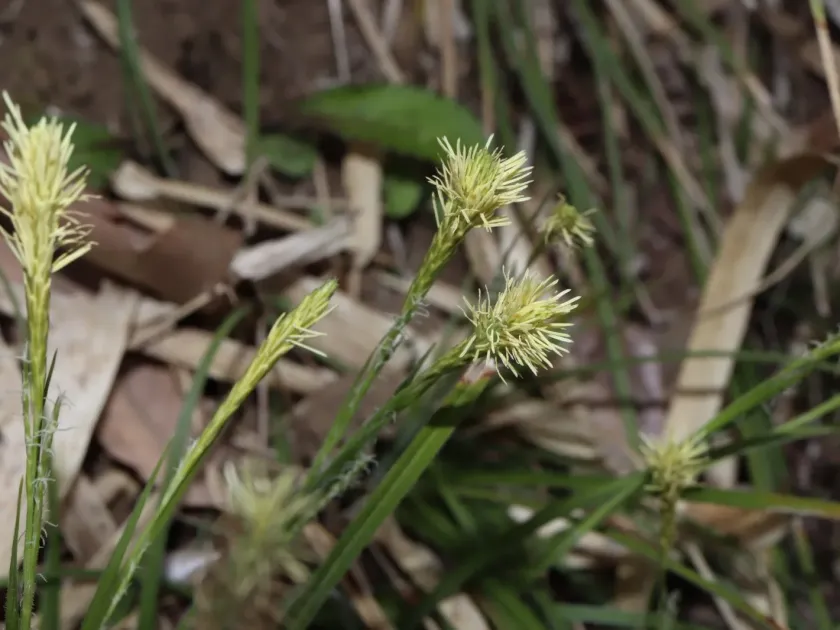
Description
Sowing dates
Conical sedge (Carex conica), belonging to the Cyperaceae family, is a slow-growing perennial grass that is typically propagated through division of the root clump.
The ideal time for planting or dividing the clumps is in early spring as the soil begins to warm, or in early autumn to allow the plant to establish roots before winter.
If growing from seeds, it is important to note that they require a period of cold stratification, usually lasting about four to six weeks, to ensure successful germination.
When planting in the garden, ensure a spacing of 30 to 40 centimeters between individual plants to allow enough room for the characteristic dense, mound-like growth.
Proper planting depth is essential; the crown of the plant should be placed at the same level as the soil surface to prevent rot and encourage healthy growth.
Growing requirements
This species thrives in partial shade or shaded conditions, as intense direct sunlight can scorch the leaves and significantly reduce the plant's aesthetic quality.
Conical sedge requires consistently moist, fertile, and well-drained soil, preferably with high organic content to support its lush leaf development.
Agronomic maintenance includes regular watering during dry spells, as this plant has low tolerance for drought and can quickly show signs of stress if not hydrated.
A balanced fertilizer or well-rotted compost applied once in the spring serves as an excellent nutrient source to fuel the growth of new foliage throughout the season.
Effective drainage is crucial; while the plant loves moisture, it does not tolerate standing water, which can easily lead to root suffocation or fungal infections.
Main diseases and pests
In humid environments or poorly ventilated areas, the plant can become susceptible to common fungal issues such as rust or powdery mildew.
To prevent disease spread, it is essential to maintain proper spacing between plants and remove any decaying or dead foliage early in the growing season.
Slugs and snails are the primary pests that may cause damage, particularly targeting the tender, young leaves during damp and cloudy spring weather.
Physical barriers like coarse gravel or crushed stone around the base of the plant are often effective deterrents against these mollusk pests.
In cases of significant pest or disease outbreak, targeted use of approved fungicides or organic control agents is recommended to preserve the health of the clump.
Harvesting
The primary use of conical sedge is decorative; it is a popular choice for water-edge plantings, rock gardens, and shaded garden borders due to its compact form.
Maintenance is straightforward, as the plant is essentially evergreen, retaining its structure throughout the year in milder temperate climates.
Annual grooming in early spring involves cleaning out old, brown foliage, which makes room for the new, vibrant growth to emerge without competition.
Its ability to remain neat and compact makes it a versatile candidate for container gardening and sophisticated landscape design projects.
Because it grows slowly, it requires very little pruning or maintenance once established, making it a sustainable choice for long-term ornamental garden plantings.