
Carex brunnea
Carex brunnea Thunb.
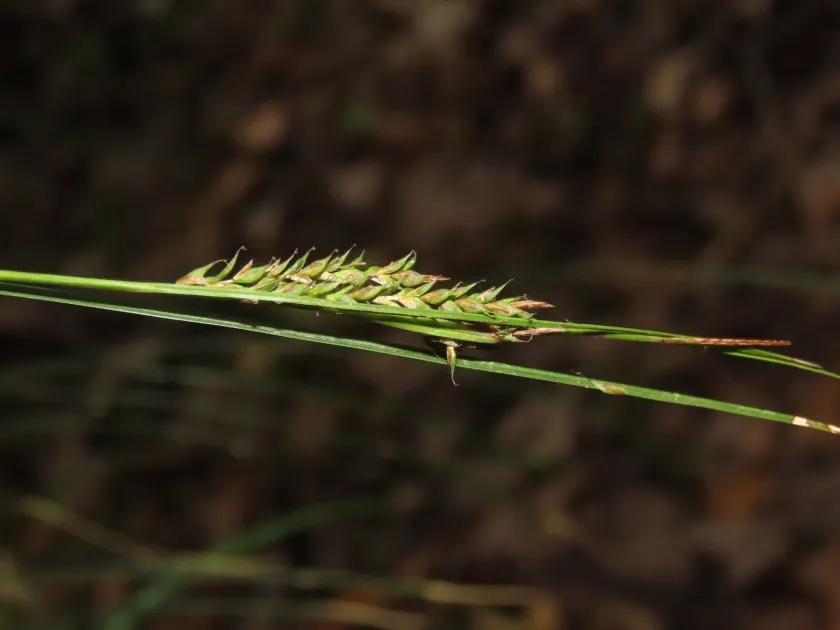
Description
Sowing dates
Carex brunnea, commonly known as copper-leaf sedge, is typically propagated through seed sowing or vegetative division of mature clumps.
Seeds should be sown in early spring into a well-draining seed-starting mix, requiring a period of cold stratification to improve overall germination rates.
When sowing, seeds need a light covering and sufficient ambient light to trigger the germination process. A temperature range of 18–22 degrees Celsius is ideal.
Vegetative division is the preferred method for home gardeners to ensure genetic consistency. This process is best performed in the spring as new growth emerges.
Transplanting into the garden should occur only after the danger of frost has passed to ensure the young plants establish a robust root system before the heat of summer.
Growing requirements
This species belongs to the Cyperaceae family and is native to East Asia, including regions in Japan, China, and the Philippines, thriving in varied environments.
Carex brunnea prefers moist but well-drained soils rich in organic matter. Avoid heavy clay or waterlogged areas that may inhibit proper root development.
It performs exceptionally well in partial shade, which protects the foliage from scorching, though it can tolerate sunnier sites if soil moisture is strictly maintained.
The plant has moderate hardiness; in regions with severe winters, it is advisable to provide winter protection using organic mulch to insulate the crown.
Consistent soil moisture is essential during the growing season. Supplementary irrigation is recommended during dry spells to maintain the plant's ornamental appeal.
Yield
The primary economic and horticultural utility of Carex brunnea lies in its decorative value for landscape architecture and garden design.
It is prized for its arching, graceful leaves that maintain a vibrant appearance throughout the growing season, creating lush clumps or ground covers.
Landscape designers utilize this sedge for edging pond margins, creating woodland understory plantings, or as an accent plant in container arrangements.
In terms of productivity, the plant's vigor is measured by its spread and the health of its foliage, which provides year-round aesthetic benefits.
Commercial nurseries maximize yield by optimizing propagation through division, ensuring that healthy, disease-free parent stock is used for expansion.
Main diseases and pests
Carex brunnea is generally considered a low-maintenance plant with few major pest concerns when grown under appropriate environmental conditions.
Fungal issues, such as leaf spot, may arise if the plant is kept in overly wet or poorly ventilated conditions, which can lead to crown rot.
Occasionally, spider mites may infest the foliage during hot and dry periods, requiring monitoring and potentially horticultural oil treatments.
Maintenance practices, such as clearing away dead leaves in late winter, help reduce the risk of disease by improving airflow through the clump.
- Maintain adequate spacing to promote natural air circulation.
- Monitor for signs of discoloration or wilting during hot weather.
- Use organic fungicides only if localized fungal outbreaks occur.