

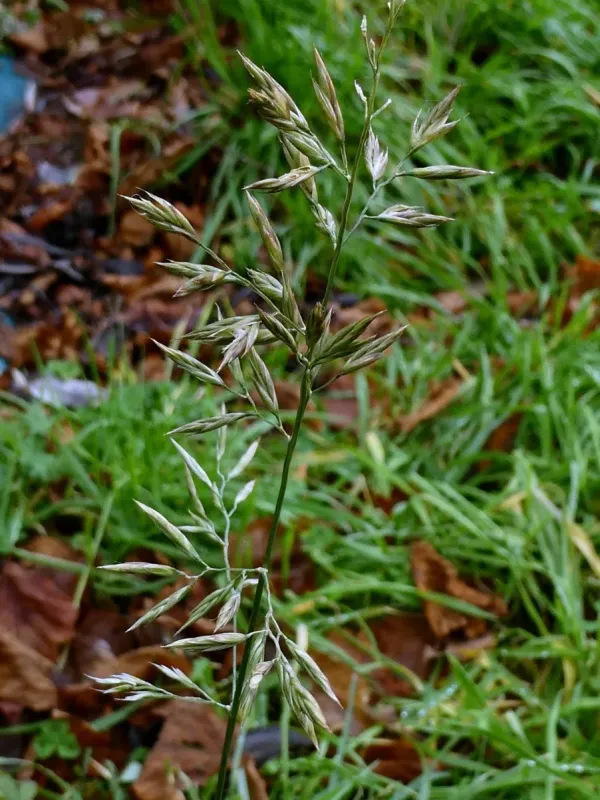
Description
Sowing dates
Meadow fescue is typically sown in early spring, as soon as the soil is workable, to leverage early-season moisture for consistent seed germination.
Late summer or early autumn sowing is also a viable option in regions with reliable rainfall, ensuring the plants establish before the onset of winter dormancy.
The seeding rate is usually between 15 and 20 kg per hectare, although this varies depending on the intended use—whether for long-term pastures or hay fields.
Seeds are placed at a shallow depth of 1 to 2 cm, as deep burial can significantly reduce emergence rates, especially in heavier clay-based soils.
Establishing the crop in a mixture with legumes, such as red clover, is highly recommended to improve the nutritional profile and nitrogen availability for the soil.
Growing requirements
Meadow fescue belongs to the Poaceae family and is recognized as a hardy, bunch-type grass highly valued in temperate agricultural systems.
The crop performs best in fertile, moist, and well-drained loamy soils but shows remarkable resilience to periodic flooding and poorly drained conditions.
It prefers cooler climates and grows vigorously in the spring and autumn, while showing a moderate decline in growth during hot, dry summer periods.
Soil pH should ideally be in the neutral to slightly acidic range to ensure optimal nutrient uptake and general plant vitality throughout the growing season.
Regular fertilization with nitrogen is essential for sustaining high yields, as the plant responds very positively to balanced mineral nutrition.
Yield
The dry matter yield of meadow fescue is impressive, often reaching 8 to 12 tonnes per hectare under optimal management and intensive cutting regimes.
Properly managed fields can support 3 to 4 cuts per year, provided that moisture levels are sufficient to allow for rapid regrowth between harvests.
The nutritional value is consistently high, particularly when harvested before the heading stage, ensuring excellent digestibility for livestock.
Yield stability is a hallmark of this species, as it maintains its stand density and production levels over several years of intensive cultivation.
Seed production yields range from 500 to 900 kg per hectare, requiring careful timing to balance seed maturity and prevent harvest losses from shattering.
Main diseases and pests
Meadow fescue is susceptible to several leaf spot diseases, with crown rust and powdery mildew being the most common challenges in humid conditions.
Helminthosporium leaf spot can also cause premature leaf senescence, thereby reducing the total biomass production and the quality of the fodder.
Pest pressure is usually manageable, but aphids and various species of stem flies can cause localized damage to the crop, especially in young stands.
Effective management strategies include maintaining good stand vigor, avoiding over-fertilization with nitrogen, and using resistant cultivars where possible.
- Crop rotation helps disrupt the life cycles of soil-borne pathogens.
- Timely mowing removes infected tissue and reduces disease pressure.
- Monitoring fields for insect pests ensures timely intervention if thresholds are exceeded.
Harvesting
For high-quality hay production, harvesting should begin at the early heading stage to maximize the protein content and overall digestibility.
Delaying harvest until the flowering or seed-set stages results in a sharp decline in forage quality due to the increased lignification of the stems.
When harvesting for seed, the process should be timed to minimize shattering, often involving swathing followed by combine harvesting once the crop has dried.
Post-harvest management is critical; the stubble should not be grazed or cut too short just before winter to allow for proper carbohydrate accumulation.
Storage of the forage must be managed in a dry, ventilated environment to maintain nutritional integrity and prevent mold growth during the winter months.
Reference
Connections · Meadow fescue
Most often together:
Marketplace
Products · 18


Fertilizer based on humic acids «Potassium Humate EcoOrganika»
Fertilizers
0
0
2 offers
3.86 €per 1 kg
Buy


AGROTEX, RK (2-methyl-4-chlorophenoxyacetic acid in the form of dimethyl
Nufarm
Herbicides
0
0
No offers
—
Details