
Vulpia bromoides
Festuca bromoides L.
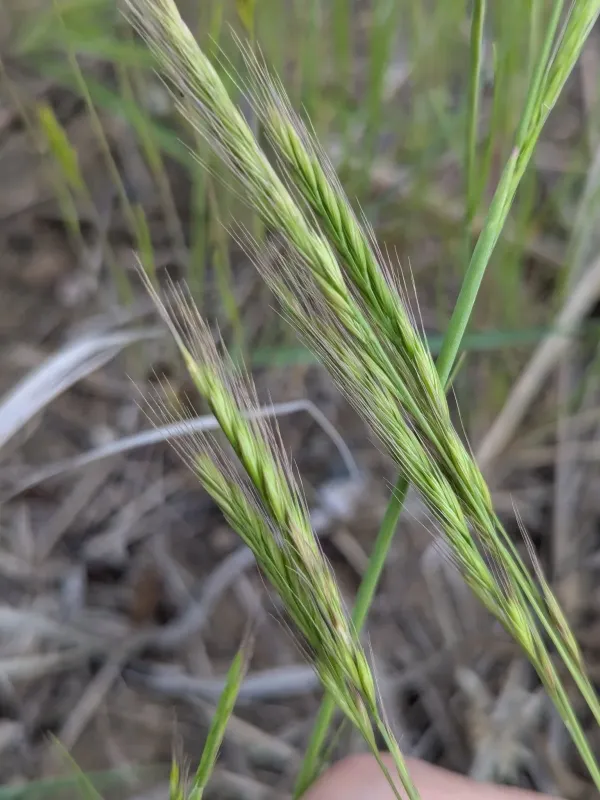
Description
Sowing dates
Vulpia bromoides is an annual grass species that typically initiates its growth cycle in autumn or early spring, depending on the climatic conditions of the region.
The seeds of this plant show high germination rates in cool weather, often competing directly with winter cereals for available resources and space in the field.
The maturity phase usually occurs in late spring or early summer, marked by the development of panicles and the dispersal of a large number of seeds.
Agricultural management should involve early-season soil cultivation to exhaust the seed bank in the topsoil before sowing primary crops.
The timing of emergence makes this grass particularly difficult to manage in pastures and winter grain fields where early competition is intense.
Growing requirements
Belonging to the Poaceae family, Vulpia bromoides is highly adaptable, thriving in diverse soil types ranging from sandy loams to degraded nutrient-poor soils.
The plant requires well-drained conditions and prefers open, sunny locations where it can effectively utilize light for its rapid developmental stages.
It displays remarkable tolerance to varying moisture levels, although it tends to flourish in areas with moderate rainfall patterns during the vegetative phase.
While not demanding in terms of soil fertility, the plant benefits from available nitrogen, allowing it to quickly outgrow surrounding vegetation in disturbed lands.
Proper agronomic techniques, such as crop rotation and balanced fertilization, are essential to maintain the competitive advantage of the desired crop over this grass.
Main diseases and pests
Vulpia bromoides can act as an alternative host for several cereal diseases, including various rusts and powdery mildew, which can significantly damage primary grain production.
The plant is frequently infested by common agricultural pests like cereal aphids, which use it as a food source before migrating to neighboring crop fields.
Root rot fungi can affect the plant in overly moist conditions, though it remains resilient enough to persist under less favorable circumstances.
Significant yield losses in agriculture are often attributed to the high density of this grass, as it acts as a primary competitor for water and essential minerals.
Integrated weed management, including both chemical and mechanical controls, is strongly recommended to suppress its growth and prevent further spread across the farm.