
Tall fescue
Festuca arundinacea Schreb. subsp. arundinacea
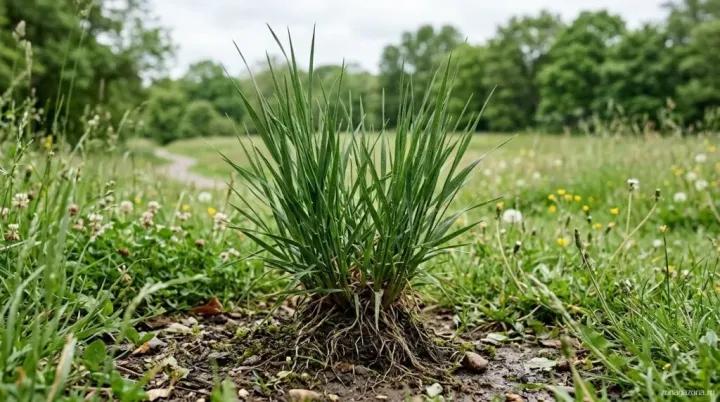
Description
Sowing dates
Tall fescue is typically sown in early spring or late summer to ensure successful establishment. Early spring planting is ideal once soil temperatures consistently reach 8-10 degrees Celsius.
Late summer or early autumn planting is often preferred in moderate climates to allow the root system to develop before the winter frost. This timing helps the grass compete effectively with weeds.
The seeding rate for forage purposes is generally 15-20 kg per hectare. When establishing a pasture for grazing, a slightly higher density is recommended to create a uniform and durable sward.
Seed depth should be kept shallow, approximately 1-2 cm, to ensure rapid emergence. Proper soil contact is critical, which is achieved through rolling the field immediately after the drilling process.
Uniform distribution of seeds is essential for a productive field. Using high-quality certified seeds with high germination rates significantly impacts the long-term success of the establishment.
Growing requirements
Tall fescue, scientifically known as Festuca arundinacea, is a robust member of the Poaceae family. Originating in Europe and North Africa, it is now widely cultivated globally due to its adaptability.
It thrives in a wide range of soil types, from sandy soils to heavy clays. Its high tolerance to waterlogging makes it an excellent choice for low-lying areas that are prone to flooding.
One of its most notable features is its deep root system, which can reach depths of over one meter. This anatomical trait grants it superior drought resistance compared to many other cool-season grasses.
The plant is highly resilient to soil salinity and varying pH levels, growing well in moderately acidic to slightly alkaline conditions. It is also quite winter-hardy and stays green long into the late autumn.
Nitrogen fertilization is essential for maximizing growth. Strategic applications after every cutting or grazing cycle are necessary to maintain high forage quality and biomass production.
Yield
Under optimal management and irrigation, tall fescue can produce high forage yields ranging from 40 to 60 tons of green mass per hectare. It is highly valued for its consistency in productivity.
For hay production, dry matter yields typically range between 8 and 12 tons per hectare. Its fast recovery rate after harvest makes it highly suitable for multiple cuttings during a single season.
Seed production yields are generally in the range of 600 to 1200 kg per hectare. Achieving these figures requires careful attention to fertilization and protecting the crop from early lodging.
The plant is known for its longevity, often remaining productive in a field for over a decade. Its ability to regrow vigorously ensures sustained profitability for livestock producers.
When used in pasture mixes, it provides a stable food source for cattle and horses. Its nutritional value is highest when harvested at the early boot stage before the stem becomes too fibrous.
Main diseases and pests
Common diseases affecting this crop include rusts and leaf spot pathogens. These fungi thrive in humid conditions and can reduce both the palatability and the overall yield of the forage.
Insect pests such as aphids, thrips, and grass flies can occasionally reach infestation levels that require intervention. These insects target the vegetative and reproductive parts of the plant.
Cultural control methods, such as maintaining correct stocking rates on pastures, are the first line of defense. Avoiding overgrazing reduces stress on the plants and decreases susceptibility to disease.
Root rot can occur in poorly drained, compacted soils. Proper soil management, including aeration and drainage, is essential to mitigate these biological threats in permanent pastures.
Effective weed control during the seedling stage is vital for protecting the young plants. Once the fescue is fully established, its thick canopy usually competes well with most invasive weed species.
Harvesting
For high-quality forage, harvesting should occur before the plants reach the full flowering stage. Delaying the harvest reduces protein content and significantly lowers the digestibility of the feed.
Grazing management should focus on rotation to allow the grass a rest period. This rest period is essential for the plant to store carbohydrates in the crown and roots for future growth cycles.
For seed collection, a two-stage harvest is recommended. Swathing the crop allows the seed to mature evenly in the field before combining, reducing the risk of shattering and loss.
Storage of the seed requires proper drying and cooling. Ensuring moisture levels stay below 14% prevents mold and heating during storage, preserving the viability of the seeds for future seasons.
Hay bales should be stored in a dry, ventilated area to maintain their quality. Properly stored tall fescue hay retains its nutrients for a long time, making it a reliable winter feed source.