
Sweet olive
Osmanthus suavis
Description
Growing requirements
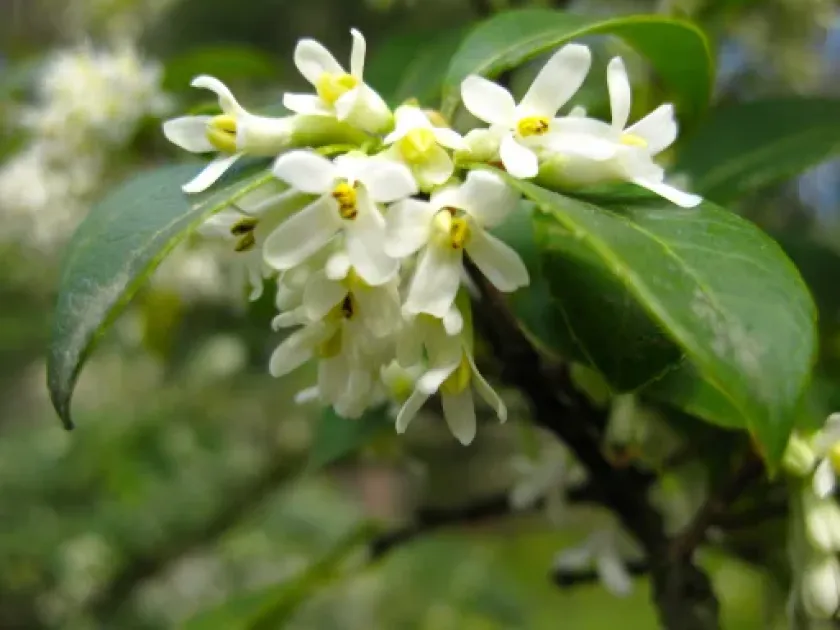
Sweet olive (Osmanthus suavis) is a distinctive evergreen shrub or small tree belonging to the Oleaceae family. Native to the Himalayan region, this plant is highly valued for its elegant foliage and fragrant blossoms which define its horticultural appeal.
The culture thrives in mild, temperate climates with high atmospheric humidity. In regions with freezing winters, it is typically cultivated in containers and moved to sheltered environments such as greenhouses or conservatories to prevent damage from frost.
Cultivation requires fertile, well-draining soil with a pH ranging from slightly acidic to neutral. The root system is sensitive to waterlogging, necessitating a professional approach to soil structure to ensure that excess water can drain away freely from the pot or garden bed.
In terms of light, Osmanthus suavis prefers partial shade to dappled sunlight. Intense, direct sun exposure, particularly during peak summer months, can cause leaf scorch and inhibit the plant's overall development and growth rate.
Routine horticultural care involves consistent irrigation throughout the growing season and periodic fertilization with organic, slow-release nutrient mixes. Proper pruning is recommended post-flowering to maintain a compact shape and encourage healthy branch density.
Main diseases and pests
The plant is relatively resilient, but it can be susceptible to root rot if the substrate remains waterlogged for extended periods. Ensuring a porous and well-aerated potting mix is the most effective preventative measure against this common fungal issue.
Insect pests such as scale insects and mealybugs can occasionally infest the stems and undersides of leaves. These pests should be addressed promptly with horticultural oils or targeted systemic insecticides to prevent severe infestations that can stunt the plant.
Spider mites are another potential threat, particularly in enclosed indoor environments where airflow may be limited and humidity levels may fluctuate. Regular monitoring and misting help maintain a hostile environment for these small arachnids.
Leaf spot diseases may appear if the foliage stays wet for too long without adequate ventilation. Keeping the plant in an area with good air circulation significantly reduces the risk of foliar fungal pathogens affecting the health of the leaves.
Ultimately, a healthy specimen relies on proper hygiene, including the removal of dead or decaying plant material from the soil surface. Proactive management prevents the majority of issues that could otherwise affect the vigor of Osmanthus suavis.