
Osmanthus decorus
Osmanthus decorus
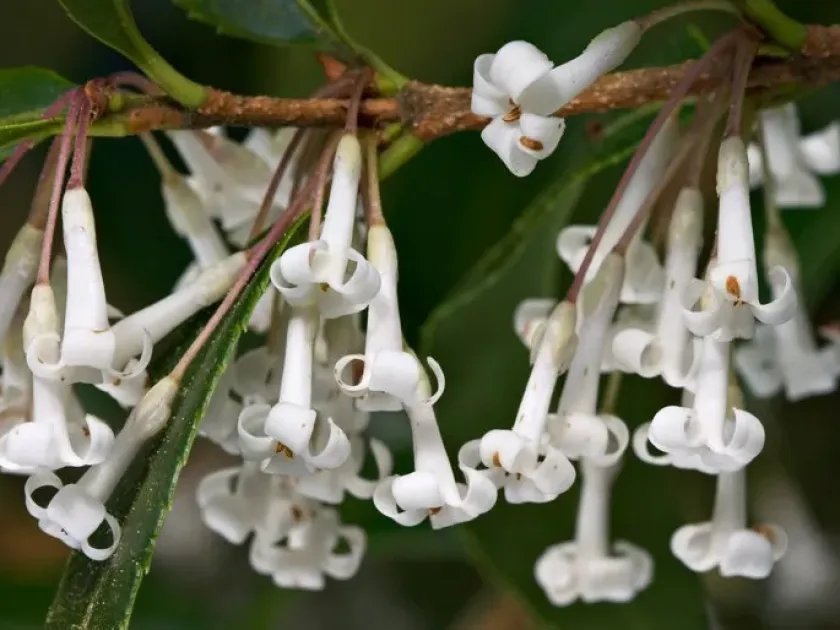
Description
Growing requirements
Osmanthus decorus is a hardy evergreen shrub belonging to the Oleaceae family. Originating from the humid forests of the Caucasus and Turkey, it is highly valued for its dense foliage and fragrant spring blossoms.
The plant thrives in well-drained, nutrient-rich soils with a slightly acidic to neutral pH. Proper soil preparation involves incorporating organic matter to ensure moisture retention without causing waterlogging, which the plant does not tolerate.
Climate requirements include protection from harsh, desiccating winds and extreme winter frosts. In regions with fluctuating temperatures, providing shelter or mulching the base is essential for the plant's long-term survival.
Botanically, Osmanthus decorus is characterized by large, leathery, lanceolate leaves that maintain their deep green color throughout the year. It possesses a moderate growth habit, making it suitable for both container growing and open-field production.
Economically, this species is cultivated as an ornamental plant for private gardens, botanical collections, and large-scale landscaping projects due to its year-round decorative value and adaptability to pruning.
Main diseases and pests
The primary threats to Osmanthus decorus include fungal infections such as leaf spots and root rots, which often occur due to poor drainage or excessive soil moisture levels.
Scale insects are common pests that attack the stems and foliage, extracting sap and weakening the plant. Monitoring and timely application of horticultural oils can effectively manage these populations.
Spider mites represent a secondary threat, particularly during hot and dry summer months. Maintaining adequate humidity and avoiding water stress significantly reduces the risk of infestation.
Bacterial blight can affect weakened shrubs, highlighting the importance of maintaining plant vigor through balanced fertilization and appropriate sunlight exposure.
Regular sanitation, including the removal of deadwood and infected twigs, is crucial to prevent the spread of pathogens within nursery or garden settings.