
Osmanthus hybrid
Osmanthus hybrids
Description
Growing requirements
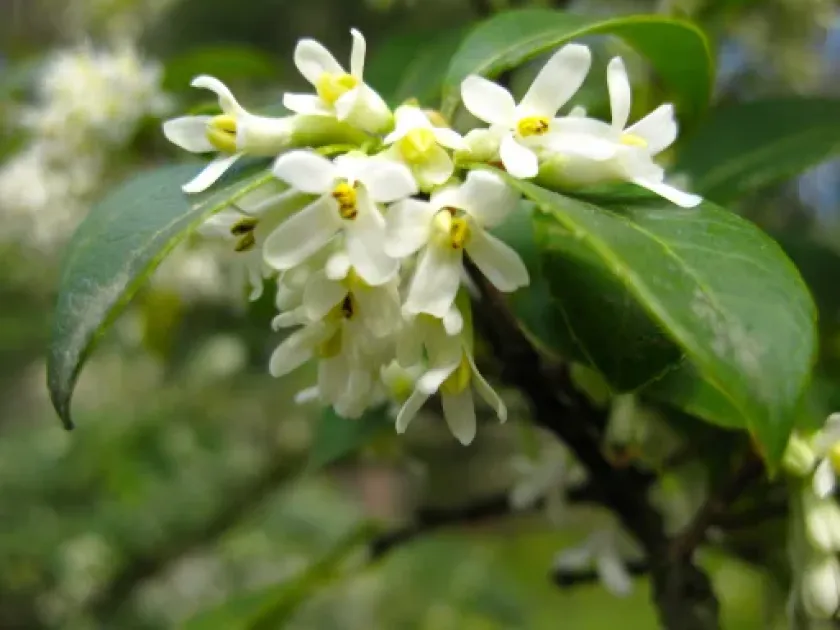
Osmanthus hybrid refers to a group of evergreen shrubs belonging to the Oleaceae family. These plants are prized in landscape design for their dense, glossy foliage and highly fragrant small flowers that appear typically in the autumn or throughout the growing season, depending on the specific hybrid cultivar.
Botanically, these hybrids often exhibit a mix of characteristics from parent species such as Osmanthus fragrans or Osmanthus heterophyllus. The leaves are typically opposite, leathery, and dark green, sometimes featuring spiny margins similar to holly, which provides a distinct aesthetic appeal.
Successful cultivation requires soil that is rich in organic matter and well-draining. The plant thrives in slightly acidic to neutral soil pH. Waterlogging is the most common cause of failure in Osmanthus plantations, so selecting a location with natural drainage or creating raised beds is highly recommended.
Regarding climate, Osmanthus hybrids prefer temperate regions with mild winters. While some hybrids are more cold-hardy than others, most require protection from freezing temperatures and harsh, desiccating winds that can damage the evergreen foliage during the winter months.
Agronomic practices for these plants emphasize consistent moisture during the establishment phase and annual feeding in early spring. Pruning is essential for maintaining a desirable shape and promoting dense branching, which enhances the overall display of the fragrant blossoms.
Main diseases and pests
The primary health threats to Osmanthus hybrids include fungal pathogens such as Phytophthora root rot, which typically affects plants grown in overly wet or poorly drained soils. Improving soil aeration and avoiding excess irrigation are the best preventative measures against these diseases.
Pest pressures are often dominated by scale insects and spider mites. These pests can rapidly proliferate in warm, dry weather and cause yellowing or dropping of leaves. Implementing integrated pest management, including regular monitoring and horticultural oil treatments, is crucial for maintaining plant vigor.