
Serrulated osmanthus
Osmanthus serrulatus
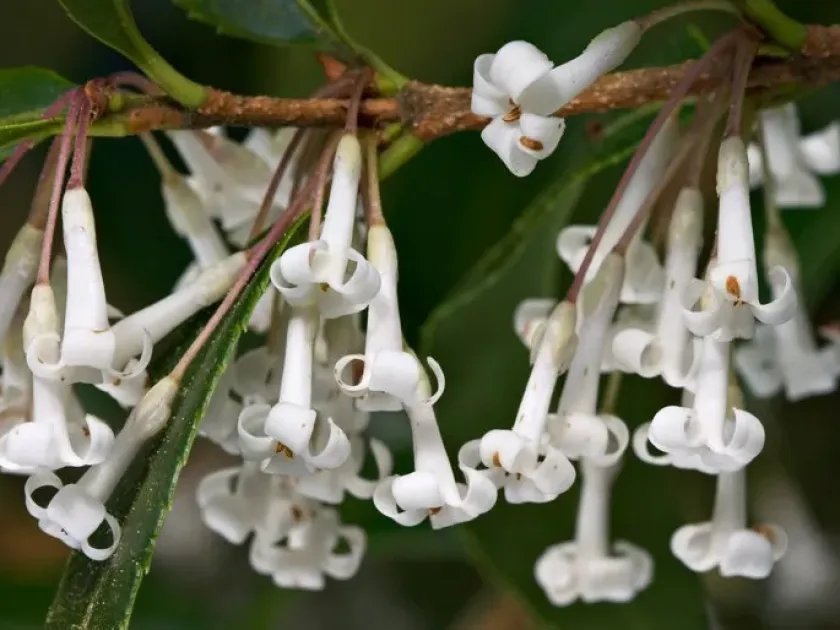
Description
Growing requirements
The serrulated osmanthus (Osmanthus serrulatus) is a representative of the Olive family (Oleaceae). This evergreen shrub is native to China, where it grows in mountain forests under specific climatic conditions that favor moderate temperatures.
Successful cultivation requires soil that is rich in organic matter and has an excellent drainage system. Although the plant is adaptable, it performs best in slightly acidic to neutral soil types that remain consistently moist without waterlogging.
Regarding light, this plant prefers dappled shade or indirect sunlight. In regions with harsh summers, protection from intense midday heat is essential to prevent the foliage from drying out or sustaining light burns.
Climate requirements include protection from cold, drying winds, as these can damage the evergreen leaves during winter months. In regions with cold winters, growing the plant in containers that can be moved indoors is a common practice.
Agrotechnical maintenance focuses on light pruning in early spring to shape the plant and the application of balanced fertilizers to support vigorous growth. Mulching the base of the plant helps to conserve moisture and regulate soil temperature.
Main diseases and pests
This shrub is generally robust, but it can suffer from issues if environmental conditions are suboptimal. Overwatering is the most common cause of root rot, which is a major threat to the plant's health.
Pests such as scale insects, spider mites, and aphids can occasionally infest the shrub. These insects can cause loss of vigor and yellowing of the leaves if left untreated over an extended period of time.
To mitigate these risks, it is recommended to keep the foliage clean and monitor the underside of leaves for early signs of infestation. Neem oil or insecticidal soaps can be used as effective, gentle management tools.
If fungal leaf spots appear due to high humidity, applying a fungicide with sulfur or copper is recommended. Furthermore, removing fallen leaves from the base of the plant helps prevent the spread of fungal spores.
Ensuring proper spacing between plants is a critical part of the maintenance program. Good airflow is the best natural defense against many pests and diseases that affect evergreen woody species.