
Osmanthus insularis
Osmanthus insularis
Description
Sowing dates
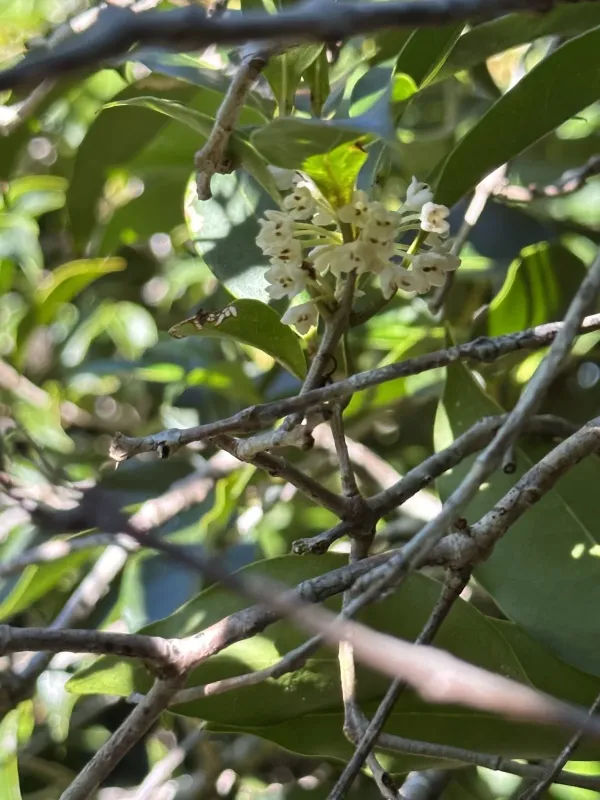
Osmanthus insularis, commonly known as the island sweet olive, is an evergreen shrub or small tree belonging to the Oleaceae family. It is native to the coastal and island regions of East Asia, thriving in areas with high humidity and mild climate conditions.
Propagation is primarily achieved through cuttings. Semi-hardwood cuttings taken in late summer or early autumn have the highest success rate. These should be treated with rooting hormone and placed in a well-draining medium to promote robust root system development.
Transplanting to the permanent location should be done in spring, allowing the plant to establish itself before the onset of extreme temperatures. Due to its slow growth habit, it is crucial to provide adequate spacing, ensuring each plant has room to develop its natural shape.
When selecting a site, consider the plant's structural role in the landscape. It is highly valued as a specimen plant or a dense evergreen screen. Proper placement ensures that the plant does not compete for nutrients with larger or more aggressive neighboring species.
Initial establishment requires consistent care. Young plants should be monitored closely during the first year to ensure they do not suffer from transplant shock, which can be mitigated by regular irrigation and protection from strong, drying winds during the winter months.
Growing requirements
This species thrives in fertile, well-draining, slightly acidic soil. It does not tolerate waterlogging, as the roots are susceptible to rotting if exposed to stagnant moisture for extended periods. Soil preparation with organic matter is highly beneficial for long-term health.
Osmanthus insularis prefers a mild, temperate climate. It is not fully frost-hardy and requires protection in regions where temperatures drop significantly below freezing. Ideally, it should be grown in environments where winter temperatures remain above -10 degrees Celsius.
Partial shade is the optimal light condition. While the plant can tolerate full sun in cooler, maritime climates, protection from harsh, direct midday sun is necessary in warmer areas to prevent leaf scorch and maintain the deep, lush green color of its foliage.
Watering should be balanced. The soil should remain consistently moist but not saturated. During prolonged dry spells, deep watering is preferred over light sprinkling to encourage the roots to grow deeper, which increases the plant's overall resilience.
Fertilization with a balanced, slow-release fertilizer in early spring supports vigorous growth. Avoid excessive nitrogen applications in late summer, as this can encourage soft, succulent growth that is more prone to winter damage and pest infestation.
Main diseases and pests
The plant is generally robust and resistant to most diseases. However, in poorly ventilated environments or high-humidity settings, leaf spot fungi can become an issue. Ensuring proper air circulation through strategic pruning is the best preventive strategy.
Pests such as scale insects are the most common concern. These can attach to the stems and leaves, extracting nutrients and weakening the plant. Regular inspections are advised, especially on the undersides of leaves where these pests are prone to hide.
Spider mites may appear during periods of low humidity and high temperature. Early signs include fine webbing and stippling on the leaves. If detected early, these can be managed with insecticidal soap or specific miticides to prevent significant damage.
Root health is vital for preventing soil-borne pathogens. By ensuring the planting site is elevated or properly drained, the risk of Phytophthora root rot is significantly minimized, which is essential for the long-term survival of the species.
Sanitation is key to managing threats. Removing fallen leaves from the base of the plant and cutting away dead wood helps reduce the potential breeding grounds for pathogens, keeping the shrub healthy and aesthetically pleasing throughout the year.