
Oriental clematis
Clematis orientalis L.
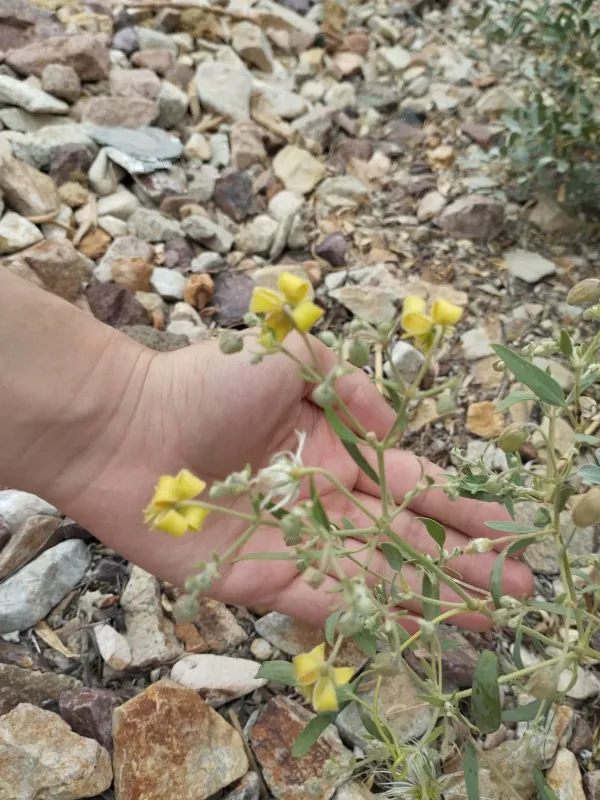
Description
Sowing dates
Sowing seeds of Clematis orientalis is best performed in the late autumn to allow for natural cold stratification over the winter period. If spring sowing is preferred, seeds must be artificially stratified in a refrigerator at temperatures between +2 and +5 degrees Celsius for at least two months.
Seeds are sown into a light, well-draining substrate at a depth of 1-2 centimeters. Keeping the soil consistently moist is crucial during the germination phase, although one must guard against waterlogging to prevent seed rot.
For indoor propagation, seeds should be sown in March in trays filled with a sterile, porous potting mix. A steady temperature of around +20 degrees Celsius is ideal for uniform germination of the seedlings.
Seedlings should be moved to individual pots once they develop their first set of true leaves. This allows the root system to strengthen before the plants are moved outdoors to their permanent planting site.
When transplanting to the field, ensure a spacing of at least 1.5 to 2 meters. This distance prevents crowding and allows the climbing vines to receive adequate airflow, which is essential for healthy development.
Growing requirements
Oriental clematis is a member of the Ranunculaceae family and is recognized as a hardy, vigorous perennial vine. The species is highly adaptable and displays significant drought tolerance once established.
This crop thrives in full sun, which is necessary for promoting its characteristic prolific flowering. While it can tolerate partial shade, a reduction in sunlight often results in weaker stem growth and fewer flowers.
The preferred soil type for this clematis is a fertile, well-drained loam with a neutral to slightly alkaline pH. Drainage is a critical factor, as stagnant water is detrimental to the plant's health and longevity.
Routine cultural practices include weeding and keeping the root zone cool, which can be achieved through mulching. During peak growing seasons, moderate irrigation is beneficial, particularly during the onset of the budding stage.
Balanced fertilization applied in the early spring supports the expansion of the foliage. Adding phosphorus and potassium-rich supplements during the growing season will significantly improve the quality and duration of the bloom.
Main diseases and pests
Wilt, a serious fungal disease, is the primary threat to the vitality of the clematis. Management involves strict irrigation control and removing any infected parts of the plant immediately upon detection.
Powdery mildew may occur in periods of high humidity and poor air circulation. Implementing proper pruning techniques to open up the vine's structure is the most effective preventative measure against this pathogen.
Pests such as aphids and spider mites can infest the foliage, particularly in dry conditions. Regular inspections are advised, and the use of insecticidal soaps can mitigate small infestations effectively.
Nematode infestations can damage the root system, stunting plant growth. It is important to avoid planting in areas previously occupied by susceptible species to reduce the risk of soil-borne pest buildup.
Slugs and snails may occasionally feed on young, succulent shoots. Placing physical barriers or using non-toxic baits can protect the developing vines until they are established enough to withstand occasional damage.