
Oriental fountain grass
Cenchrus orientalis (Rich.) Morrone
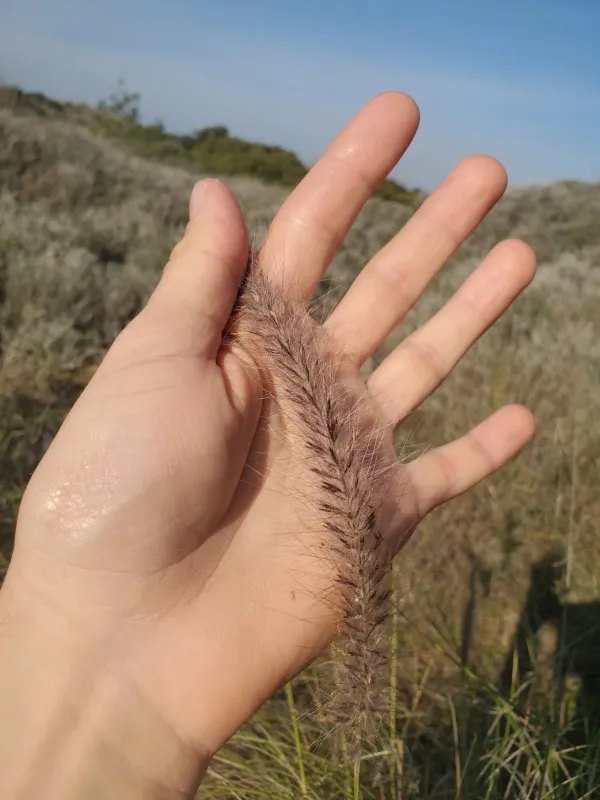
Description
Sowing dates
Sowing of Cenchrus orientalis is typically performed in the spring, once the danger of frost has passed and soil temperatures have reached a consistent level, usually above 15 degrees Celsius. This timing ensures steady growth from the start.
Seeds should be sown shallowly, ideally at a depth of 1 to 2 centimeters. Pressing the seeds gently into the soil surface helps to maintain moisture and promotes uniform germination across the field or nursery plot.
For ornamental or large-scale landscaping purposes, starting with transplants is often more reliable than direct seeding. Greenhouse-grown plugs allow for better spacing control and ensure that every plant in the intended design has an optimal start.
Vegetative division is an alternative method for propagating established clumps. This is best achieved in early spring, just as the plant emerges from winter dormancy, by carefully splitting the root ball into sections.
Spacing is essential for the healthy development of the clumps. Depending on the intended density and landscape goal, placing plants at 40 to 60 centimeters apart allows for adequate airflow, which is crucial for reducing humidity-related diseases.
Growing requirements
Oriental fountain grass, a member of the Poaceae family, is a versatile perennial grass known for its adaptability to various environments. It thrives in well-drained soils, ranging from sandy loams to rocky substrates, and is particularly noted for its drought tolerance.
This species requires full sun to maintain its structural integrity and ornamental quality. Exposure to at least 6 to 8 hours of direct sunlight is necessary to promote the development of its signature feathery plumes and prevents the stems from becoming weak or spindly.
Watering requirements are moderate. While the plant is drought-resistant once established, providing regular moisture during the first growing season and during extreme heatwaves will significantly improve overall biomass production and aesthetic performance.
Soil fertility should be monitored. While it can survive in nutrient-poor soils, a moderate application of balanced fertilizer in early spring can boost the vegetative growth and strengthen the plant's root system for the upcoming season.
Winter care is minimal, though in cooler climates, applying a layer of mulch can help protect the root crowns from extreme cold fluctuations. Cutting back the dry foliage in late winter or early spring is standard practice to make way for new growth.
Yield
The primary use of Cenchrus orientalis is ornamental, where it is highly valued for its soft, brush-like inflorescences that persist well into the autumn. Its natural beauty makes it an excellent choice for modern landscape design and gardens.
In agricultural contexts, the species serves as a valuable resource for erosion control due to its extensive and robust root system, which helps stabilize loose or sloped terrains effectively.
As a forage crop, it provides a decent amount of biomass in arid and semi-arid regions. Its ability to regrow after grazing makes it suitable for integrated pasture management, provided the stocking density is appropriately managed.
The plant exhibits high resilience in dry environments, making it a sustainable option for greening programs in regions where traditional grasses struggle due to water scarcity and high soil salinity.
Harvesting for seed production should occur once the plumes have matured and turned a characteristic color. Seeds must be cleaned and stored in dry, cool conditions to maintain viability for future sowing campaigns.
Main diseases and pests
Cenchrus orientalis is largely pest and disease resistant. However, excessive moisture levels in the root zone can invite fungal pathogens, leading to root rot, which is perhaps the most significant threat in poorly drained soils.
Foliar diseases, such as rust, may appear if the plants are crowded or if airflow is significantly restricted. Maintaining proper spacing and ensuring the site has adequate drainage are the best preventative measures for these conditions.
Insects like aphids or mites might occasionally colonize the foliage. While usually not lethal to established plants, significant infestations should be addressed with appropriate insecticides if the plant's health or aesthetic appearance is being compromised.
Weed management during the seedling stage is critical, as the grass can be slow to establish compared to more aggressive weeds. Clearing the area around the plants in the first months will prevent nutrient competition.
To avoid recurring issues, remove dead leaves and debris from the plant base annually. This sanitation step prevents pathogens from overwintering in the old foliage and ensures that the new season's growth starts in a clean environment.