
Olearia traversii
Olearia traversii (F. Muell.) Hook. f.
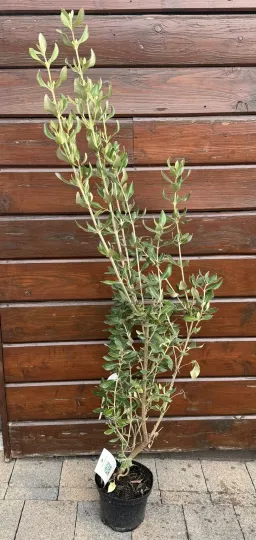
Description
Sowing dates
Propagation of Olearia traversii is most commonly achieved through vegetative methods using semi-hardwood cuttings. The optimal time for harvesting plant material is late summer or early autumn, when shoots have accumulated sufficient nutrients.
Seed propagation is less common due to the duration of the process, though it is possible using freshly harvested seeds. Sowing should be performed in a light substrate under greenhouse conditions, ensuring stable temperatures and humidity for successful germination.
Before planting in a permanent location, cuttings must pass through a rooting phase in protected ground. It is essential to provide them with diffused light and regular ventilation to prevent the development of mold fungi under high humidity.
Transplanting seedlings to the open field is carried out in spring, once the threat of night frosts has passed, allowing the plant to adapt to new environmental conditions throughout the long growing season.
To accelerate the rooting process, it is recommended to treat cuttings with root-growth stimulants, which significantly increases the yield percentage of healthy plant material.
Growing requirements
Olearia traversii, a member of the Asteraceae family, is endemic to the Chatham Islands, which dictates its high requirements for a mild climate. The plant prefers well-drained, fertile soils with a neutral or slightly acidic pH balance.
The crop possesses high wind resistance, making it an excellent choice for creating windbreaks or hedges in coastal areas. However, it is extremely sensitive to hard frosts, therefore requiring protection or container cultivation in regions with severe winters.
Lighting plays a critical role in forming a dense crown. The plant requires a sunny location protected from cold air stagnation, as excessive shade leads to leggy growth and a loss of decorative quality.
Watering should be moderate and consistent, especially during the active growth phase, but it is vital to avoid waterlogging the root system, which can provoke the development of rot processes.
As for fertilization, organic fertilizers or complex mineral mixtures with low nitrogen content at the end of the summer season are recommended, promoting better wood maturation before winter.
Main diseases and pests
The main threats to Olearia traversii are fungal infections that arise from poor cultivation practices, particularly due to inadequate air circulation and excessive substrate moisture.
Root rot poses the greatest danger to young plants. For the prevention of this disease, strict adherence to the watering schedule and the use of a high-quality drainage layer during planting are recommended.
Pests such as aphids and scale insects can infest young leaves and shoots, especially during hot, dry periods. Regular inspection of the bushes allows for the timely detection of insect colonies and the implementation of treatment measures.
Powdery mildew sometimes occurs when grown in dense plantings. Upon the appearance of the first symptoms, it is necessary to perform crown thinning and treat the plants with bio-fungicides or copper-based preparations.
To maintain the health of the culture, annual sanitary pruning is recommended, which facilitates the removal of weak or damaged branches, reducing the risk of pathogen spread within the crown.