
Nymphoides macrospermum
Nymphoides macrospermum
Description
Growing requirements
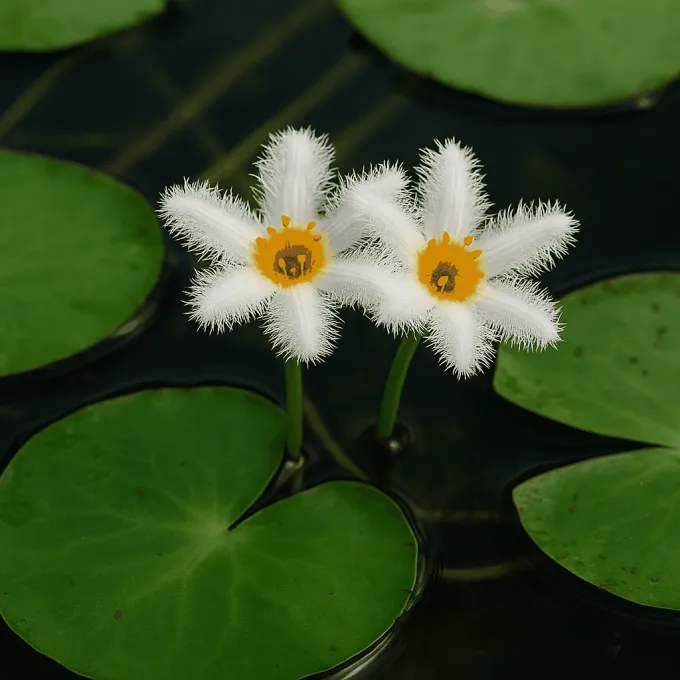
Nymphoides macrospermum is an aquatic perennial plant belonging to the Menyanthaceae family. It is recognized for its floating heart-shaped leaves and long, slender petioles that anchor it firmly in the bottom substrate of freshwater environments.
The species originates from tropical and subtropical climates, thriving in stagnant or slow-moving bodies of water. It requires consistent temperatures and ample solar radiation to stimulate both vegetative growth and the characteristic delicate flower production.
The ideal growing medium consists of nutrient-rich silt or a prepared aquatic soil mix. Maintaining a stable water chemistry is essential, as the plant is sensitive to significant fluctuations in mineral content and dissolved organic pollutants.
In terms of cultivation technique, correct planting depth is crucial for the development of floating foliage. Depending on the specific cultivar, depth usually ranges from 30 to 80 cm, ensuring that the leaves can reach the surface without excessive energy expenditure.
Host-plant utility is primarily found in ornamental water gardening, where Nymphoides macrospermum serves as a key decorative element for artificial ponds. Beyond its visual appeal, it provides essential shelter for various aquatic microfauna, contributing to a balanced pond ecosystem.
Main diseases and pests
Common health issues include root rot, which typically occurs in compacted substrates where oxygen exchange is restricted. This condition is often exacerbated by excessive accumulation of detritus on the pond floor, encouraging the growth of anaerobic bacteria.
Invertebrate pests such as snails and water-dwelling larvae represent a major threat, as they frequently feed on the tender, nutrient-rich floating leaves. Persistent grazing can stunt the growth of the plant and reduce its ability to recover from seasonal stress.
Preventative maintenance involves regular pond hygiene, including the physical removal of decaying organic matter. Proper water circulation and aeration help mitigate the risk of pathogen outbreaks, ensuring a clean and oxygenated environment.
Competition from aggressive aquatic weeds poses a secondary threat, particularly in smaller systems where resources like light and space are limited. Routine thinning is necessary to prevent the plant from becoming overgrown and losing its vitality.
Chemical control is rarely recommended due to the plant's proximity to sensitive fish and aquatic life. Consequently, manual monitoring and the use of integrated pest management strategies are the most effective ways to maintain the plant's health throughout the season.