
Nymphoides hastata
Nymphoides hastata
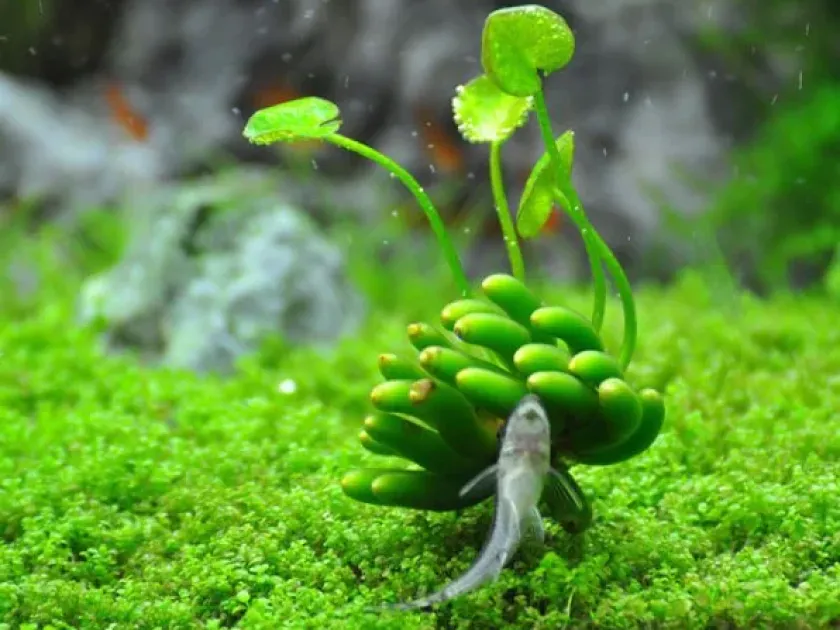
Description
Sowing dates
Propagation of Nymphoides hastata in commercial culture is primarily achieved through vegetative methods, such as dividing rhizomes or rooting stem cuttings. The optimal time for planting occurs when water temperatures stabilize, which typically corresponds to late spring.
To ensure a successful start, it is necessary to maintain a substrate temperature between 20–22 degrees Celsius. The container method allows for precise control of the rooting process before the plants are transferred into open water bodies or specialized hydroponic systems.
Planting density should be calculated based on the available water surface area to prevent excessive crowding. Overcrowding can hinder individual plant growth due to competition for sunlight and essential nutrients.
For seed-based propagation, sowing is conducted in moist sandy-silty substrate under greenhouse conditions. While stratification is not strictly required, maintaining constant moisture levels is critical for successful germination.
Acclimatization of young plants is a vital step. Before moving them into the main aquatic environment, they are kept in intermediate tanks with similar water chemistry to minimize transplant stress.
Growing requirements
Nymphoides hastata belongs to the Menyanthaceae family and is a perennial aquatic plant perfectly adapted to standing or slow-moving freshwater ecosystems.
The culture has high light requirements. To ensure normal leaf development and optimal photosynthesis, the plants need at least 6–8 hours of direct sunlight on the water surface daily.
The soil substrate must be rich in organic matter. Superior results are achieved using a mixture of clay, well-decomposed compost, and river sand, which provides stable anchoring for the root system.
Water temperatures for active growth should range from 18 to 28 degrees Celsius. The plant is sensitive to sudden thermal fluctuations and cannot survive if the water body freezes to the bottom.
The chemical composition of the water should be neutral or slightly acidic. High concentrations of hardness salts can negatively affect tissue permeability, making water quality monitoring an essential procedure in commercial cultivation.
Yield
The primary economic use of Nymphoides hastata is in decorative landscaping, particularly for ponds, parks, and water features. Yield in this context is measured by the number of high-quality plant specimens per unit area.
Plant biomass is also utilized in the aquarium trade, where the species is valued for its aesthetic floating leaves. Its rapid growth rate allows for multiple harvesting cycles within a single growing season.
Under natural conditions, populations can quickly colonize empty areas, forming dense mats. With proper agronomic management, the marketable output can be increased by 30-40% compared to wild-growing specimens.
To maximize productivity, micronutrient fertilizers are applied directly into the bottom substrate. Excessive nutrient content in the water column can trigger unwanted algae growth, which lowers the quality of the main crop.
Harvesting planting material involves carefully extracting rhizomes from the substrate. Using specialized tools preserves the integrity of vegetative organs, significantly improving survival rates during subsequent distribution.
Main diseases and pests
Major pests for Nymphoides hastata include various aquatic insects, specifically leaf beetles and midge larvae, which can damage tender leaves and decrease the plant's decorative value.
Fungal diseases frequently occur due to water stagnation or improper temperature control. The appearance of stem rot requires the immediate removal of affected plant parts and partial water replacement within the cultivation vessel.
Competition from filamentous algae poses a serious threat to young plantings. These algae wrap tightly around the plant, hindering gas exchange and light access, which can eventually lead to the plant's demise.
Iron and magnesium deficiencies in the water often manifest as leaf chlorosis. Regular laboratory monitoring of the environment allows for timely identification and correction using chelated micronutrient fertilizers.
Improper overwintering is a critical risk factor. Rhizomes are susceptible to freezing at low temperatures, making it mandatory to relocate the culture to heated facilities before the first frosts in colder regions.
Harvesting
The harvesting period for planting material usually occurs in late August or early September. During this time, the plant accumulates sufficient nutrients in its rhizomes for successful dormancy and future growth.
The harvest process involves mechanically separating daughter rosettes from the parent plant. It is essential to ensure that each separated part retains a healthy growth bud and a fragment of the root system.
After extraction from the water, the plants undergo a cleaning stage to remove debris and silt. Using gentle running water prevents damage to the delicate epidermis, which is highly sensitive to mechanical stress.
For transportation and storage, moist substrates such as sphagnum moss or synthetic hydrogels are used. This maintains plant viability and prevents tissue dehydration for several days.
The harvested stock is sorted based on size and leaf development stage. Standardizing the planting material ensures predictable results for the end-user and simplifies the packaging process for commercial distribution.