
Wavy marshwort
Nymphoides crenatum
Description
Growing requirements
Wavy marshwort (Nymphoides crenatum) is a perennial aquatic plant belonging to the Menyanthaceae family. Native to the freshwater ecosystems of Australia, this species is highly valued for its ability to create lush, floating mats that enhance the visual appeal of any water body.
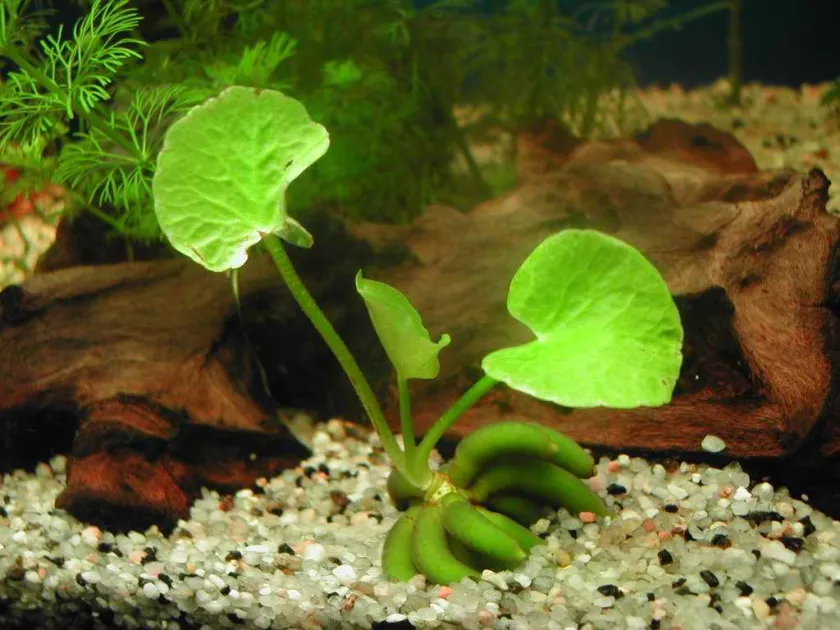
The plant features distinct heart-shaped leaves that rest on the water's surface, supported by long, flexible stalks. Its primary ornamental feature is the vibrant yellow flower, which displays a delicate, fringed margin on each petal, adding a sophisticated touch to garden ponds.
This crop thrives in standing or very slow-moving water at depths ranging from 30 to 90 centimeters. It requires a significant amount of natural sunlight to maintain its growth cycle, making it ideal for open, unobstructed pond areas where light penetration is consistent throughout the day.
Regarding soil requirements, Nymphoides crenatum performs best in nutrient-rich silt or clay-based sediments. When cultivated in artificial ponds, providing a specialized aquatic soil mix ensures the plant receives the essential minerals necessary for robust leaf development and blooming.
Agrotechnical management involves regular monitoring of water temperature and depth. The plant is sensitive to cold, so in temperate zones, wintering measures such as moving containers to deeper parts of the pond or using frost protection are necessary to ensure the plant's survival for the next season.
Main diseases and pests
The most common disease threats involve fungal infections that target the leaf tissues. These conditions are often exacerbated by poor water circulation or the accumulation of decaying organic matter, which creates a breeding ground for pathogens that can rapidly damage the plant's foliage.
Pests such as aquatic snails and various larvae pose a recurring problem by feeding on the leaves and stalks. Their feeding activity creates entry points for secondary infections, necessitating quick identification and the implementation of organic control measures to preserve the plant's health.
Competition from filamentous algae is a significant threat, as these algae can quickly cover the water surface. Since the wavy marshwort relies heavily on light for its floating leaves, excessive algal growth can effectively starve the plant of energy and lead to a decline in its population.
Rapid fluctuations in water chemistry, specifically high levels of nitrogen and phosphates, can cause stress and weaken the plant's natural resistance. Maintaining a balanced pond ecosystem is essential to preventing the physiological stress that makes the plant susceptible to environmental diseases.
Mechanical damage caused by local fauna, such as fish or waterfowl, can compromise the integrity of the root system. Proper protection strategies, such as using netting or installing protective barriers during the initial establishment phase, are crucial for long-term successful cultivation.