
Nymphoides aquatica
Nymphoides aquatica
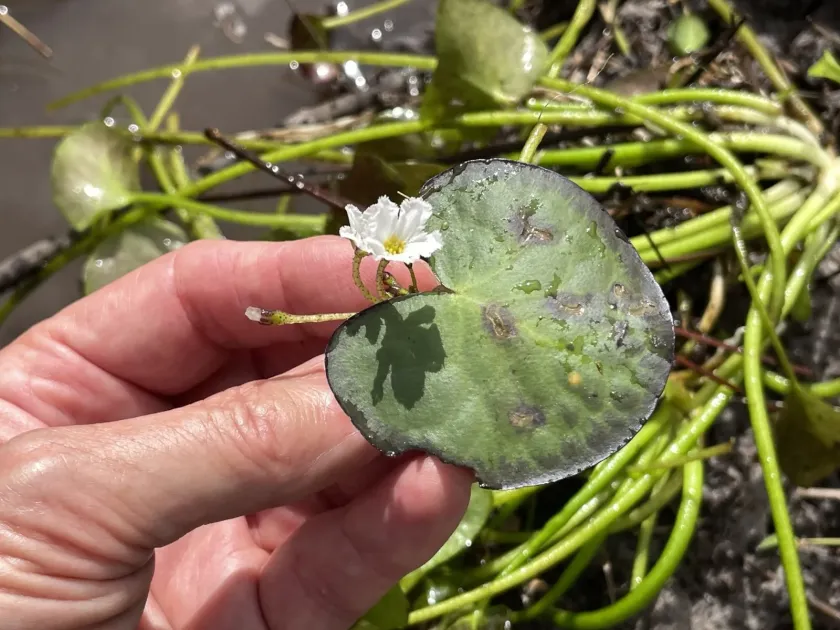
Description
Growing requirements
Nymphoides aquatica, popularly known as the Banana Plant, belongs to the Menyanthaceae family. This species originates from the southern United States, where it typically thrives in swamps, ponds, and slow-moving rivers.
The defining botanical feature of this species is its unique root structure. The thick, banana-shaped tubers store vital nutrients, allowing the plant to sustain itself during environmental fluctuations and periods of low metabolic activity.
Successful cultivation requires water temperatures between 20°C and 28°C. The plant prefers slightly acidic to neutral water conditions with a pH range of 6.0 to 7.5 to maintain healthy leaf development and root vigor.
Light is a decisive factor for the growth of Nymphoides aquatica. It requires moderate to high lighting levels to ensure that the plant maintains its compact form and produces vibrant, broad leaves that reach the water surface.
A nutrient-rich, fine-grained substrate is recommended to support the root system. Supplementing with root tabs or iron-rich liquid fertilizers is beneficial, as the plant absorbs a significant amount of nutrients through its root zone.
Main diseases and pests
The primary threat to the health of Nymphoides aquatica is poor water quality and nitrate buildup. Excess organic waste leads to bacterial growth on the tubers, which can cause them to soften and eventually decay.
Lighting deficiency often leads to etiolation, a condition where the plant stretches excessively toward the surface, resulting in weak stems and pale leaf coloration. This significantly reduces the ornamental value of the specimen.
Algal overgrowth is a common issue for this plant, as its broad leaves act as surfaces for colonization. If not managed through regular maintenance and water parameter control, algae can inhibit photosynthesis and starve the plant.
Root damage during handling or transplantation is a frequent cause of plant decline. It is essential to handle the banana-shaped tubers gently to avoid creating entry points for pathogens and opportunistic fungi.
High populations of herbivorous invertebrates, such as certain species of snails, may graze on the young, tender leaves of the plant. Monitoring and managing these populations is crucial to maintain the aesthetic integrity of the foliage.