
Snowflake water lily
Nymphoides cristata
Description
Growing requirements
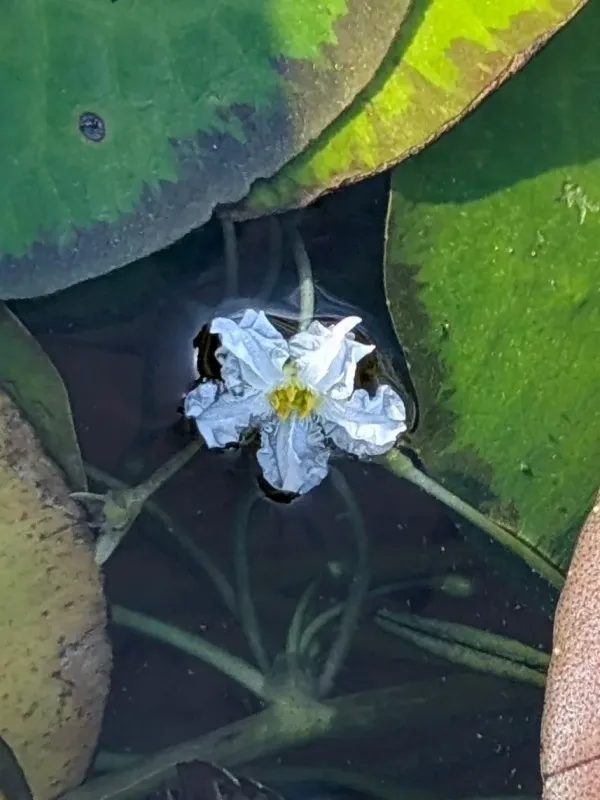
Snowflake water lily (Nymphoides cristata) is a perennial aquatic plant belonging to the Menyanthaceae family. Often referred to as the white snowflake, it is distinguished by its delicate, fringed flowers that float gracefully on the water surface, making it a favorite for ornamental ponds.
The plant originates from tropical Asia, particularly flourishing in the freshwater habitats of India, China, and surrounding areas. It thrives in stagnant or slow-moving water bodies, where it roots firmly in the substrate while sending its leaves up to the light-rich surface.
Cultivation requirements necessitate a consistently warm climate. Ideal water temperatures for this species range between 20°C and 28°C. In regions with harsh winters, Nymphoides cristata must be treated as a seasonal plant and moved indoors to prevent frost damage to the root system.
Soil and water quality are critical for optimal development. The plant prefers nutrient-rich silty sediment and neutral to slightly acidic water. Providing enough space for leaf spread is essential, as the plant can quickly cover the water surface, creating a beautiful and functional green canopy.
Beyond its aesthetic appeal, this plant plays a functional role in water management. By shading the water, it effectively reduces the penetration of sunlight, which helps to naturally suppress the growth of unwanted algae, keeping the water clearer and healthier for other aquatic life.
Main diseases and pests
Cold stress is the most significant threat to the survival of the snowflake water lily. Freezing temperatures cause irreversible damage to the sensitive tissues of the plant, often leading to rapid decay during the dormancy period if the plant is not protected properly.
Pest pressure from aphids is a common agricultural concern. These insects often aggregate on the undersides of the leaves, drawing out nutrients and weakening the plant's structural integrity. Regular physical removal or eco-friendly washing of the leaves is advised.
Fungal infections can emerge when water conditions deteriorate, specifically when there is a buildup of organic decay or poor circulation. These infections typically manifest as dark lesions on the foliage, which can spread quickly through the plant colony if not addressed promptly.
Competition from invasive water weeds can drastically limit the growth of Nymphoides cristata. When high levels of nutrients exist in the pond, faster-growing species may outcompete it, necessitating manual intervention to remove competing vegetation and allow sufficient light for the plant.
To ensure plant health, regular maintenance is required. This includes the removal of senescing leaves, maintaining a proper balance of water minerals, and ensuring adequate oxygenation. Careful observation helps in detecting early signs of stress before they manifest into widespread health issues.