
Nymphoides humboldtiana
Nymphoides humboldtiana
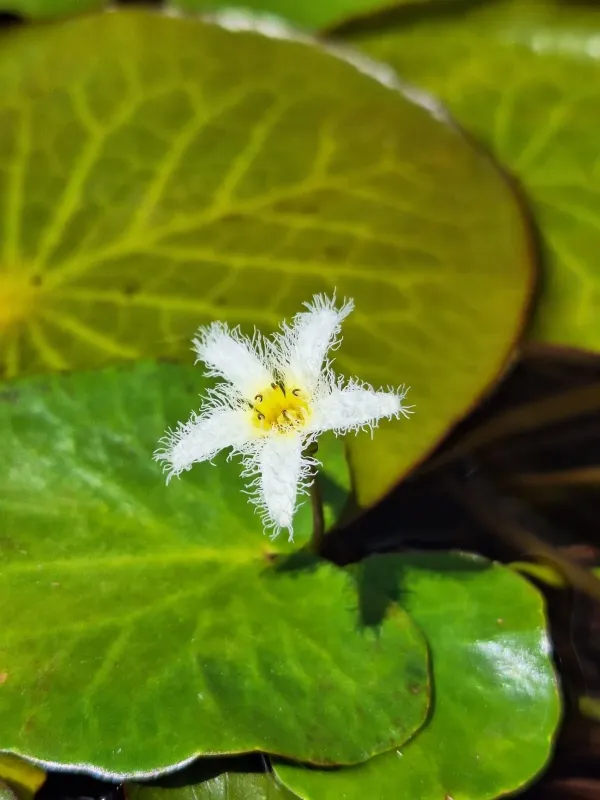
Description
Growing requirements
Nymphoides humboldtiana is an aquatic perennial plant belonging to the Menyanthaceae family. Native to the tropical regions of the Americas, it is highly valued for its ability to create lush green cover on the surface of freshwater bodies.
The plant features distinct heart-shaped leaves that float on the water surface, supported by long, flexible petioles. Its root system is anchored firmly in the substrate, providing the necessary stability for the plant to thrive in shallow water environments.
To ensure successful cultivation, it is essential to provide constant warm temperatures, ideally between 22 and 26 degrees Celsius. The plant prefers static or very slow-moving water, mimicking its natural habitat in ponds and calm rivers.
Nutrient-rich soil is a prerequisite for growth; therefore, planting in a layer of silt or specialized aquatic soil is highly recommended. Adequate light intensity is required for the plant to maintain its vibrant green color and promote flowering.
The management of this crop requires space, as it grows horizontally through runners. Regular thinning of the leaf cover is necessary to prevent overcrowding and to maintain a healthy ecosystem within the aquatic facility.
Main diseases and pests
The primary threats to Nymphoides humboldtiana are algal blooms, which significantly reduce light penetration and deplete essential minerals required for plant development.
Pests such as aquatic snails and various insects can cause substantial damage to the leaves. Regular inspection of the foliage is necessary to detect signs of herbivory early and take appropriate management steps.
Fungal infections, often manifested as leaf spots, are more prevalent in stagnant water with poor aeration. Maintaining water circulation is crucial to reducing the risk of such pathogens.
Environmental stress, particularly caused by cold snaps or sudden changes in water chemistry, can lead to severe physiological setbacks for the plant.
Effective management involves manual removal of decaying plant matter, which serves as a breeding ground for pests and diseases, thereby ensuring the longevity of the plant population.