
Incomparable Narcissus
Narcissus x incomparabilis Mill.
Description
Sowing dates
Planting bulbs of the Incomparable Narcissus is best performed in the autumn, when soil temperatures at a depth of 10–15 cm drop to 8–10 degrees Celsius. It is crucial to ensure rooting before the arrival of hard frosts, typically occurring in September or early October.
The planting depth depends on the bulb size and soil structure. Generally, bulbs are planted at a depth of 10–15 cm, though on heavy clay soils, it is recommended to reduce this depth slightly and create a sand buffer to improve drainage and prevent moisture stagnation.
Spacing between plants should range from 15 to 20 cm to provide adequate space for development and ensure proper airflow. This practice is essential for reducing humidity around the crown and preventing fungal pathogens during the early spring growth phase.
Bulb division for propagation should be carried out every 3–5 years. This task is best performed after the foliage has fully withered and the plant has entered its biological dormancy stage, ensuring the bulbs are mature and ready for storage or replanting.
Pre-planting treatment with fungicides is a standard agricultural procedure to protect young roots from soil-borne pathogens. This simple step significantly increases the survival rate and promotes uniform development during the first growing season.
Growing requirements
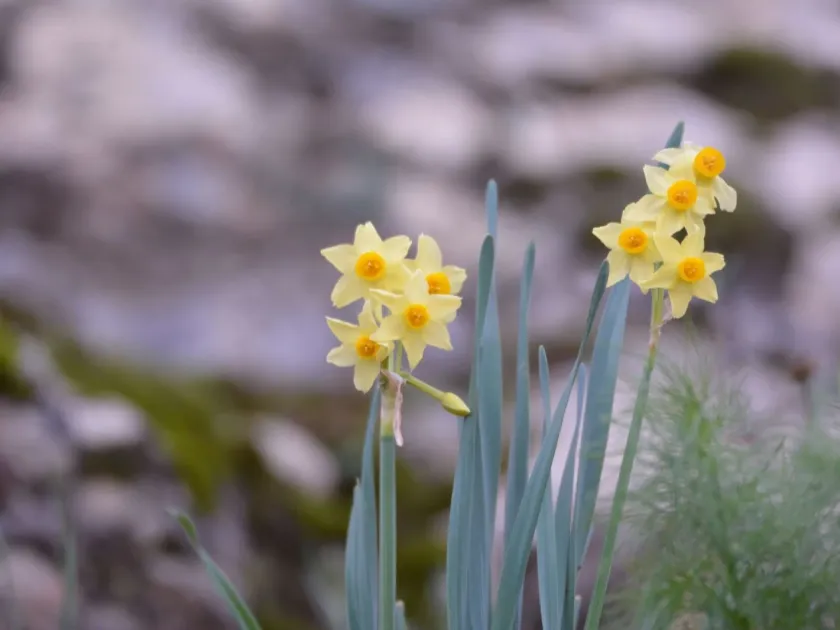
The Incomparable Narcissus is a perennial bulbous plant belonging to the Amaryllidaceae family. This hybrid is the result of natural crossing between Narcissus poeticus and Narcissus pseudonarcissus, combining the most desirable decorative traits of both parents.
The plant thrives in sunny or semi-shaded areas protected from strong, drying winds. While the species is quite adaptable, the most vigorous and prolonged blooming is observed in open locations with sufficient natural light and well-warmed soil.
Ideal soil conditions consist of fertile, well-draining loams with a neutral to slightly acidic pH. Narcissus plants are highly sensitive to waterlogging, making a good drainage system the most critical factor in preventing bulb rot during the dormant summer season.
During the growing season, consistent moisture is vital, especially during the budding and flowering phases. However, once the foliage begins to decline, the bulbs enter dormancy, during which dry soil conditions are preferred to prevent decay.
Maintenance includes regular weeding and soil loosening to improve oxygen exchange in the root zone. Fertilizer application is recommended in three stages: at the start of growth, during the budding phase, and after flowering to support nutrient storage for the next season.
Main diseases and pests
Fungal diseases, including gray mold and basal rot, represent the primary threats to this culture. High soil humidity and poor ventilation among the plantings significantly increase the susceptibility of the bulbs to these common infections.
Viral diseases, such as narcissus yellow stripe virus, can seriously degrade the quality and yield of the crop. These viruses are often transmitted by sap-sucking insects, making vigilant pest control a key component of overall plant health management.
Among pests, the large narcissus fly is particularly damaging, as its larvae feed on the basal tissues, leading to the gradual decline and eventual death of the bulb. Nematodes and bulb mites can also cause significant damage if left unchecked.
Disease prevention relies on using healthy, virus-free planting material and strict adherence to crop rotation principles. It is not recommended to plant narcissus in the same spot more frequently than every 4–5 years to reduce pathogen load.
If signs of pest or disease damage appear, insecticide or fungicide applications should be performed during the active growth phase. Timely removal and destruction of infected individuals are essential to contain the spread within the field.
Harvesting
Harvesting of bulbs must only occur after the foliage has turned yellow and died back naturally, indicating that the bulb has successfully stored necessary nutrients. Early harvesting can cause significant degradation of the bulb and poor performance in subsequent seasons.
After lifting, bulbs should be cleaned of soil and dried in a shaded, well-ventilated area for several days. Avoiding direct sunlight is essential, as UV exposure can cause skin burns and damage the outer scales of the bulbs.
Storage is carried out in dry, cool conditions with a temperature maintained around 15–18 degrees Celsius. Regular inspection is required to identify and discard any diseased or damaged bulbs, preventing the spread of rot among the healthy stock.
In professional floriculture, the harvest of flower stems is a critical phase. The optimal timing is at the "goose neck" stage, just as the bud begins to color; this maximizes vase life while ensuring the bulb remains strong for future growth.
Careful division of bulbs during pre-storage preparation is vital. Using sterilized, sharp tools minimizes tissue damage, which in turn reduces the likelihood of secondary infections and promotes faster healing during the dormant storage period.