
Narcissus minor
Narcissus minor L.
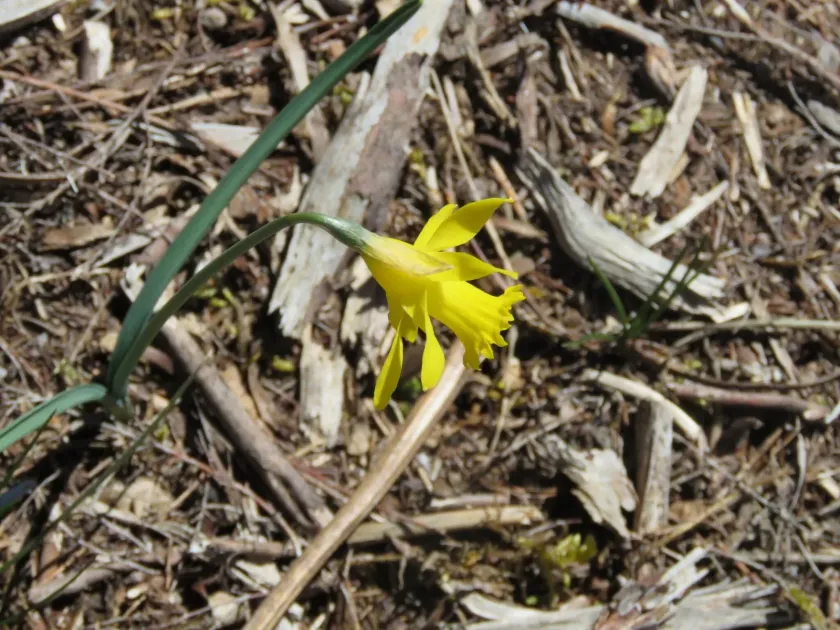
Description
Sowing dates
Narcissus minor L., a member of the Amaryllidaceae family, is a small, spring-blooming bulbous perennial. The ideal time for planting bulbs in open fields is late summer to early autumn, which allows the root system to establish itself properly before the onset of winter frost.
When grown for forcing, bulbs are typically planted in pots during October or November, requiring a period of cooling to trigger development. Planting depth should generally be two to three times the height of the bulb, ensuring the plant is anchored securely and protected from extreme temperature fluctuations.
Propagation is achieved by separating offsets (daughter bulbs) from the parent bulb after the foliage has naturally withered. This ensures that the bulbs have reached maturity and have stored sufficient energy for the next growing season before being moved or replanted.
Soil preparation should be completed weeks before planting, incorporating compost to improve fertility and moisture retention. Proper spacing, ranging from 10 to 15 centimeters between bulbs, is crucial to prevent competition for nutrients and to allow for healthy air circulation around the plants.
Selection of high-quality, disease-free bulbs is the primary step for successful cultivation. Planting should be timed to avoid early frost, while ensuring the ground is still warm enough to allow for root initiation before the plant enters full dormancy for the winter months.
Growing requirements
Narcissus minor thrives in well-drained, fertile loamy soil with a neutral to slightly acidic pH. Poor drainage is the most significant constraint, as saturated soil during the winter leads to bulb rot and fungal pathogen proliferation, potentially devastating an entire crop.
This species prefers full sun to light shade, making it versatile for both open meadow settings and under-canopy garden designs. Adequate light intensity is necessary for vibrant flower color and the accumulation of carbohydrates in the bulbs, which supports future blooms.
Watering requirements are highest during the active spring growth phase, particularly when flower buds are developing. Once flowering concludes and the foliage begins to senesce, irrigation should be gradually reduced to allow the plant to enter its natural summer dormancy.
The optimal temperature for growth ranges between 12 and 18 degrees Celsius. While the plant is hardy, it requires protection from severe heat after the bloom period, as excessive temperatures can cause the foliage to die back prematurely, limiting the bulb's nutrient storage.
Fertilization with potassium and phosphorus-rich compounds is recommended during the initial growth stage and again following flowering. Avoiding excessive nitrogen application is essential, as it promotes lush vegetative growth at the expense of bulb quality and overall disease resistance.
Main diseases and pests
Fusarium basal rot represents a major challenge, causing the decay of the bulb's basal plate and leading to plant collapse. Infected plants exhibit chlorosis and stunted growth, and immediate removal is required to prevent the spread of the fungus through the soil to healthy plants.
The narcissus bulb fly is a critical pest, with larvae burrowing into the center of the bulb and consuming the inner tissues. Control measures rely on the use of targeted insecticides and maintaining strict phytosanitary practices to disrupt the life cycle of the insect.
Grey mold (Botrytis) may appear under conditions of high humidity, characterized by soft rot on the foliage and buds. Regular fungicide treatments and ensuring adequate airflow between plants are effective preventive strategies for managing the spread of the disease.
Stem nematodes can cause leaf deformation, yellowing, and necrotic spots, significantly reducing the aesthetic value and vigor of the crop. Because chemical treatments are often ineffective, the primary control method involves strict culling of infected material and preventing its introduction.
Constant field monitoring is essential throughout the growing season to identify early signs of pathogens. Maintaining clean cultural conditions and practicing crop rotation helps minimize the pressure from soil-borne diseases and pests, ensuring a healthy production cycle.
Harvesting
Harvesting is typically performed in early summer once the foliage has turned entirely yellow and dry, indicating that the bulb has entered dormancy. Harvesting too early cuts off the vital energy transfer, resulting in smaller, less vigorous bulbs for the subsequent season.
Bulbs should be carefully lifted from the ground and cleaned of residual soil. It is critical to handle them gently to avoid bruising or skinning, as these mechanical injuries serve as entry points for pathogens during storage and drying.
Post-harvest, bulbs must be dried in a well-ventilated area away from direct sunlight for about two weeks. This curing process firms the bulb scales and promotes the healing of any small wounds, which is essential for long-term storage success.
Storage should occur in a cool, dry place with temperatures kept around 15-17 degrees Celsius. Regular inspection of stored bulbs allows for the prompt removal of any showing signs of decay, maintaining the health of the remaining stock until the next planting window.
For commercial production, mechanized harvesters are utilized to improve efficiency, though settings must be adjusted to minimize bulb impact. Proper adherence to storage temperature and ventilation protocols ensures the genetic purity and health of the crop are maintained until the market season.