
Jonquil
Narcissus jonquilla L.
Description
Sowing dates
Planting of bulbs is typically performed in early autumn, ensuring the soil temperature is sufficiently cool to encourage root development before winter dormancy.
The recommended planting depth is approximately three times the height of the bulb, providing optimal stability and protection against fluctuating soil temperatures.
Adequate spacing between plants is essential to maintain proper airflow, which is critical for reducing the incidence of fungal pathogens within the bulb clumps.
Adding sand beneath the bulb during the planting process is a standard agrotechnical practice to facilitate drainage and prevent direct moisture contact with the basal plate.
Post-planting, applying a light layer of organic mulch helps retain moisture and protect the soil from freezing, ensuring a successful emergence of foliage in the subsequent spring.
Growing requirements
Jonquil (Narcissus jonquilla L.) is a perennial bulbous plant belonging to the Amaryllidaceae family. It is widely cultivated for its ornamental value and its high-quality essential oil used in the fragrance industry.
Native to Southern Europe and the Mediterranean, the plant thrives in mild climates and prefers sunny locations with well-drained, nutrient-rich soils.
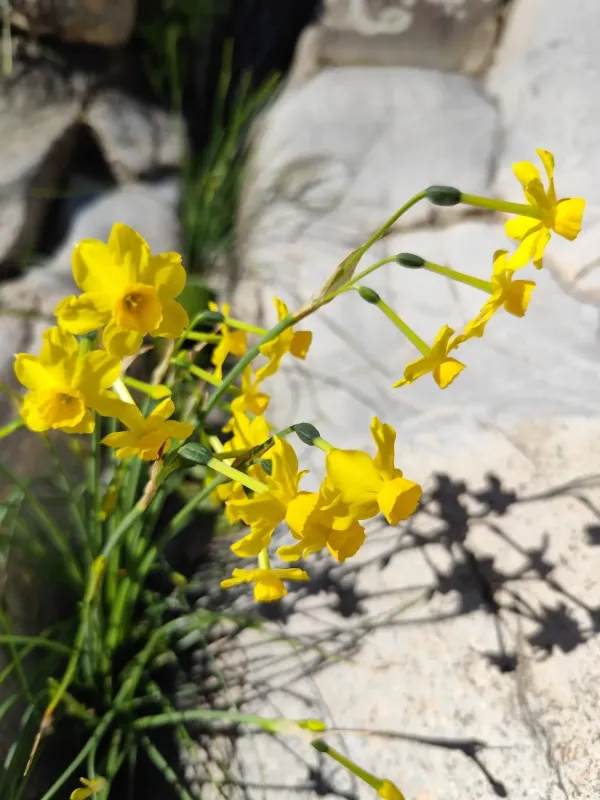
The botanical structure consists of rush-like, dark green leaves and clusters of small, intensely fragrant, golden-yellow flowers that appear in the early spring.
Soil requirements include excellent drainage to prevent bulb rot, as the species is highly sensitive to waterlogged conditions, which can be fatal to the root system.
The plant is versatile in its usage, serving as both a commercial cut-flower crop and a key source of botanical extracts for luxury perfumery applications.
Main diseases and pests
The primary fungal threats to Jonquil cultivation include Fusarium rot and grey mold, which are particularly prevalent in poorly drained soils or during wet, humid spring seasons.
The Narcissus bulb fly is the most significant insect pest, as its larvae feed on the bulb tissues, eventually hollowing out the interior and leading to total crop loss.
Nematodes can also pose a serious challenge, causing stunted growth and distorted foliage, which often necessitates soil disinfection or rotation of the planting site.
Effective management requires rigorous inspection of bulbs prior to planting and the immediate removal of any infected plant material from the field to prevent spread.
Implementing a strict crop rotation schedule, avoiding areas where other bulbous species have recently grown, is a key preventative measure against soil-borne pathogens.