
Rock daffodil
Narcissus rupicola Dufour
Description
Sowing dates
Planting Narcissus rupicola bulbs is best performed in the autumn months, ensuring the soil temperature remains cool enough to support root development without sprouting.
It is recommended to plant the bulbs at a depth of approximately 5–8 centimeters to protect them from extreme temperature fluctuations during the winter season.
When propagating via seeds, a cold stratification process is essential, making late autumn the ideal time for sowing in cold frames or outdoor nursery pots.
During the planting process, adding a layer of coarse gravel at the bottom of the hole helps in ensuring immediate drainage around the bulb base.
Vegetative division of the bulb clumps should be carried out after the foliage has naturally withered, allowing the bulbs to enter their required summer dormancy.
Growing requirements
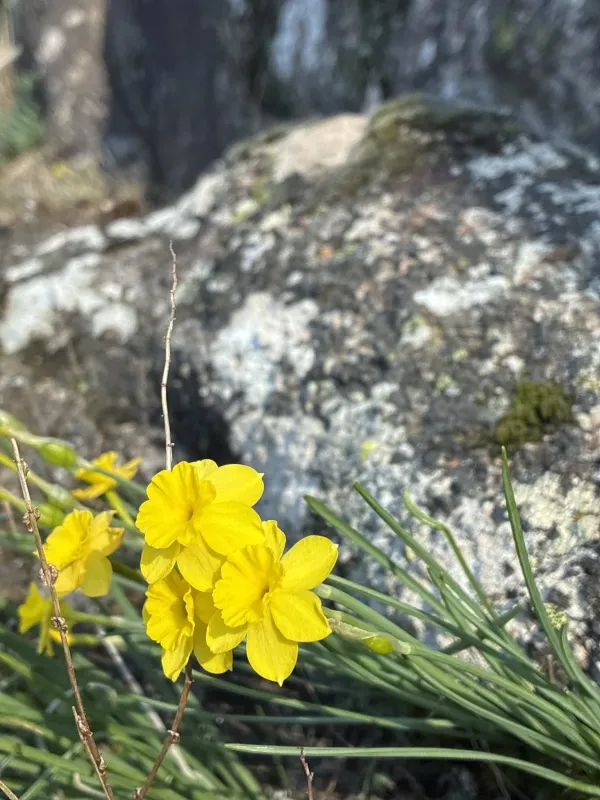
The rock daffodil, belonging to the Amaryllidaceae family, is a miniature species native to the rocky landscapes of the Iberian Peninsula, specifically Spain and Portugal.
This species thrives in well-drained, gritty, and lean soils that mimic the natural rocky crevices where these plants are typically found in the wild.
Full sunlight is a critical requirement for Narcissus rupicola to produce its characteristic fragrant, yellow blossoms and to ensure proper bulb ripening for the next season.
Excessive fertilization should be avoided as this plant is adapted to nutrient-poor soils; an excess of nitrogen will result in weak growth and high susceptibility to rot.
Moisture management is key: while the plant requires regular water during its spring growth phase, it needs to be kept dry during the hot summer period to prevent decay.
Main diseases and pests
Fusarium basal rot is the primary threat to this species, often occurring when drainage is inadequate or when the soil remains too wet during the dormant season.
Botrytis, or grey mold, can affect the foliage during humid spring weather, necessitating good air circulation and the removal of any decaying plant debris.
The large narcissus fly is a significant pest; its larvae tunnel into the bulb, effectively destroying the plant from the inside during the growing season.
Root mites are frequently associated with damaged or stressed bulbs, requiring careful handling and occasional fungicide dips for new or displaced bulbs.
Maintaining a clean garden environment and inspecting bulbs for signs of damage before planting are essential steps to mitigate the risk of these common pests.