
Fragrant Narcissus
Narcissus x odorus L.
Description
Growing requirements
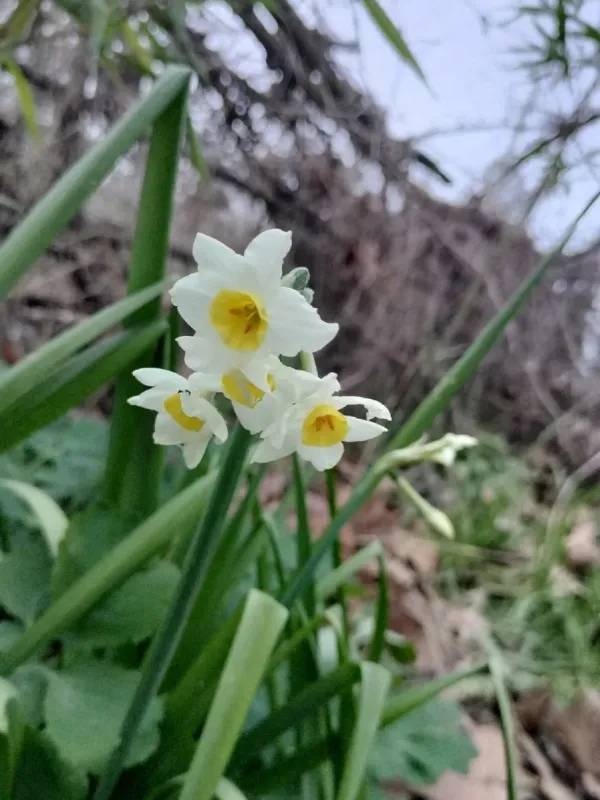
Fragrant Narcissus (Narcissus x odorus L.) is a bulbous perennial belonging to the Amaryllidaceae family. This hybrid species is widely recognized for its vibrant yellow flowers and intense, sweet fragrance that characterizes its blooming season.
The plant thrives in locations with ample sunlight, although it can tolerate partial shade. Proper site selection is crucial; areas shielded from strong, drying winds will help protect the integrity of the delicate flower stalks during the spring.
Regarding soil requirements, this species favors well-draining, fertile, loamy soils with a neutral to slightly acidic pH. Poor drainage is the most significant constraint, as waterlogged conditions quickly lead to bulb rot.
Climatic conditions for this crop must include a cycle of moist growth phases followed by a dry period of dormancy. While relatively cold-hardy, the bulbs require deep planting or mulch protection in colder zones to survive winter frosts.
Agrotechnical maintenance centers on weed control and soil aeration around the root zone. Controlled fertilization, applied primarily at the onset of growth, ensures the development of robust foliage and high-quality blooms.
Main diseases and pests
Major diseases affecting Fragrant Narcissus include Fusarium basal rot and gray mold (Botrytis). These pathogens thrive in high-humidity environments, necessitating careful moisture management and adequate soil drainage.
The Narcissus fly is the most devastating pest for this crop. Its larvae feed on the inner tissues of the bulb, which almost invariably results in the death of the plant if not addressed early with targeted treatments.
Nematodes can also severely impact plant health, causing stunted growth and leaf deformation. Regular monitoring and the removal of any suspicious plants are essential to prevent the spread of soil-borne pests.
Viruses represent a hidden threat, often manifesting as mosaic patterns on the leaves. Since there is no cure, the primary defense strategy is the removal and destruction of infected bulbs to prevent further transmission.
Proactive prevention involves selecting virus-free certified bulbs and maintaining rigorous hygiene with garden tools. Disinfecting equipment between uses is a critical step in professional flower cultivation.
Harvesting
The primary agricultural use of Fragrant Narcissus is for the ornamental market and cut flower production. Due to its fragrance, it remains a high-demand item for floristry and spring garden landscaping.
Bulb harvesting is performed once the foliage has completely turned yellow and withered. This timing ensures that the plant has stored sufficient energy for the next year’s growth cycle, maximizing bulb viability.
After extraction from the soil, bulbs must undergo a curing process in a well-ventilated, shaded area. This phase allows the outer skins to dry and toughen, reducing the risk of fungal decay during the storage period.
Storage facilities should be kept cool and dry to prevent premature sprouting or dehydration. Proper aeration is key to maintaining high bulb quality throughout the off-season until the time for autumn planting.
Commercial operations often use mechanized lifting equipment for large-scale production. Efficient sorting and grading by size and health status are vital for preparing the product for market distribution.