
Wild daffodil
Narcissus pseudonarcissus L.
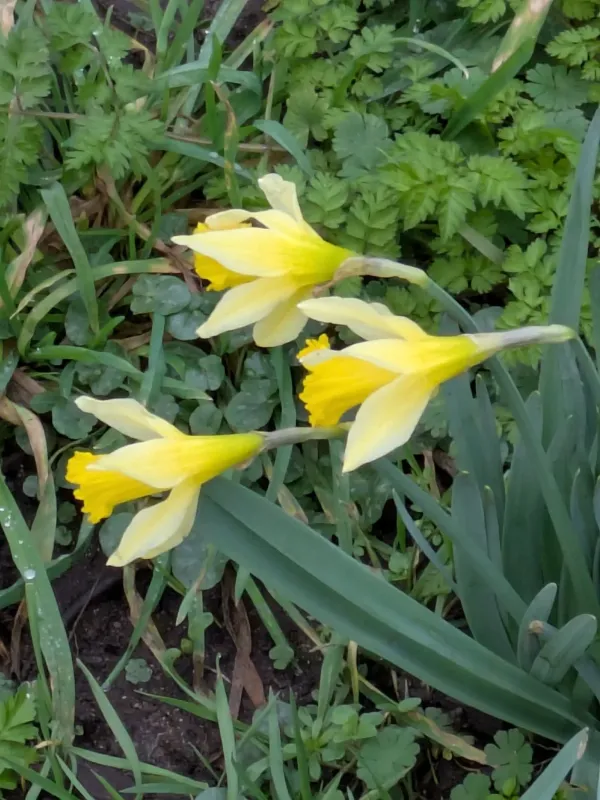
Description
Sowing dates
Planting of Narcissus pseudonarcissus bulbs is ideally performed during the autumn months when the soil temperature consistently falls below 10 degrees Celsius.
Early to mid-autumn is the optimal window to ensure bulbs develop a strong root system before the onset of the first hard winter frosts.
Bulbs should be placed at a depth of approximately 10 to 15 centimeters, depending on the bulb size and the texture of the growing medium.
It is recommended to plant in groups to achieve a naturalized appearance, spacing them at least 10-15 centimeters apart to prevent resource competition.
Improper planting times often result in poor spring performance and a higher susceptibility to winter damage and soil-borne fungal pathogens.
Growing requirements
The wild daffodil, belonging to the Amaryllidaceae family, thrives in well-drained, moderately fertile soil that remains moist during the spring growth phase.
It is native to Western Europe and shows great adaptability to both full sun and partial shade environments, making it versatile for garden planning.
Soil structure should ideally be loamy, as heavy, waterlogged clay soils can quickly lead to bulb rot and the decline of the plant population.
During the active growth period, it is crucial to ensure consistent moisture, although the soil should be allowed to dry out slightly after the flowering phase.
Occasional application of balanced fertilizers during the early stages of foliage growth can significantly improve the vigor and quality of the blooms.
Yield
Productivity in Narcissus cultivation is measured by the natural increase of bulbs and the quality of the cut flowers produced annually.
Once established, bulbs tend to form clusters that can be divided every few years, ensuring high yield and preventing overcrowding of the site.
For high-quality flower production, bulbs should be harvested only when the foliage is fully mature, allowing energy to return to the root system.
Regular maintenance, including the removal of seed heads after flowering, diverts energy into bulb enlargement rather than seed production.
Maximum yields are typically achieved in sites with high organic matter content, provided the drainage is managed effectively throughout the year.
Main diseases and pests
The most significant pathological threats include Fusarium basal rot and various forms of grey mould that target damaged or stressed bulbs.
Pests like the large narcissus fly are a major concern, as larvae feed on the interior tissue, causing irreversible damage to the bulb structure.
Nematode infestations can lead to stunted, distorted growth and the development of chlorotic patterns on the foliage, eventually destroying the plant.
Preventive measures include soaking bulbs in an appropriate fungicide solution before planting and ensuring the site was not previously used for related crops.
Cultural practices such as removing and destroying symptomatic plants immediately are essential to stop the spread of viruses in larger plantings.