
Narcissus bulbocodium
Narcissus bulbocodium L.
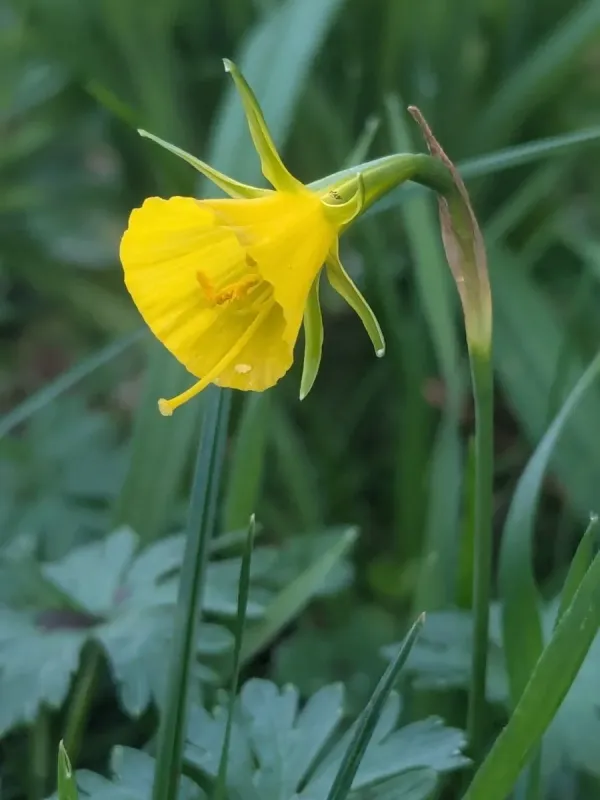
Description
Sowing dates
Narcissus bulbocodium bulbs are typically planted in late summer or early autumn to allow root establishment before the ground freezes. This timing is critical for the plant to gain sufficient strength for early spring flowering.
The recommended planting depth is approximately three times the height of the bulb. On light, porous soils, slightly deeper planting is beneficial to provide protection against erratic winter temperature fluctuations.
Vegetative propagation involves separating bulblets from the parent bulb during the dormant phase. This method ensures that the genetic traits of the cultivar are maintained, providing uniform growth for the next season.
For research and breeding, seeds can be sown in autumn. These seeds require a period of cold stratification to break dormancy and trigger germination when temperatures rise in the spring.
Proper spacing is essential to prevent overcrowding, which can reduce air circulation around the foliage. Maintaining a spacing of 10 to 15 centimeters between plants promotes healthy growth and easier maintenance.
Growing requirements
Belonging to the Amaryllidaceae family, this species is native to Southwestern Europe. It thrives in well-drained, rocky, or sandy substrates, reflecting its natural habitat conditions found on open slopes.
Effective drainage is the most vital requirement for successfully growing Narcissus bulbocodium. Excess moisture during the dormancy stage can quickly lead to root rot and complete bulb loss.
The plant demands full sunlight to produce robust flower stalks and vibrant blooms. While it can survive in partial shade, the overall vigor of the plant will be significantly reduced compared to sun-exposed locations.
In terms of soil pH, this bulbous crop prefers slightly acidic to neutral soils. Amending the soil with organic matter can improve nutrient availability without compromising the drainage capacity of the bed.
Water management is highly specific: consistent moisture is needed during the active growth period, while the soil must remain relatively dry during the dormant months to prevent decay.
Main diseases and pests
Fungal diseases like Fusarium wilt and grey mold are the primary biological threats to this crop. These pathogens typically attack the bulbous root system under high humidity or poor aeration conditions.
The large narcissus fly is a significant pest that can decimate populations. The larvae bore into the bulbs, causing severe damage that inhibits flowering and often leads to the death of the plant.
- Use of disease-free planting stock sourced from reliable nurseries.
- Application of fungicides as a preventative measure during the planting stage.
- Regular inspection of the crop for yellowing leaves, which often indicates root issues.
- Proper removal of plant debris to prevent the survival of pests and pathogens.
- Maintaining optimal soil drainage through the addition of grit or coarse sand.