
Black-anther flax-lily
Dianella nigra Colenso
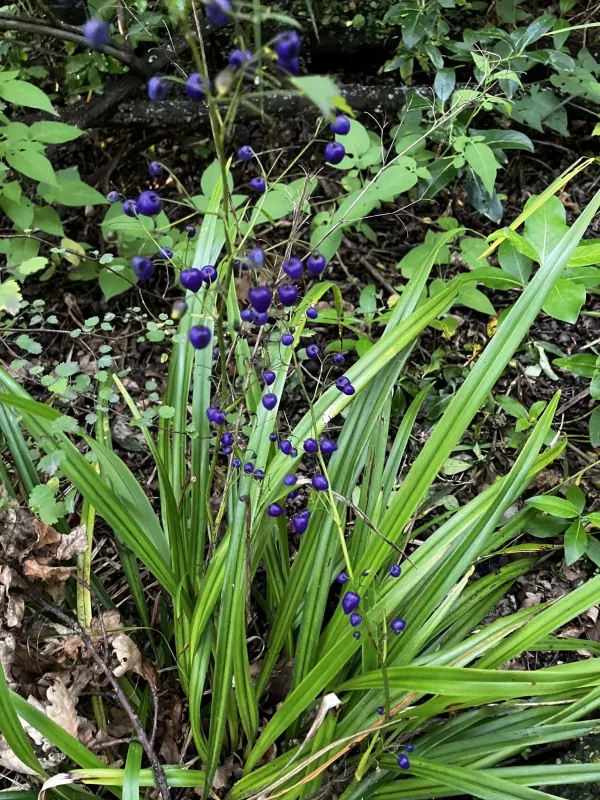
Description
Growing requirements
Black-anther flax-lily (Dianella nigra) is a perennial herbaceous plant from the Asphodelaceae family. Native to New Zealand, this species is widely distributed across diverse habitats ranging from lowland coastal areas to subalpine forests and scrublands.
The plant is characterized by its tufted growth habit and stiff, strap-like leaves that often display a deep green or bluish hue. Its botanical significance lies in its small, star-shaped flowers followed by distinct, glossy blue-purple berries that are highly ornamental in the garden.
For successful cultivation, the plant requires well-draining soil that is rich in organic matter. While it is quite hardy, it thrives best in conditions that mimic its natural environment, specifically locations with dappled shade or semi-shaded exposure that protect it from harsh midday heat.
Climatic requirements focus on protection from extreme frost and high-velocity winds. While mature specimens can handle moderate cooling, they perform best in regions where temperature fluctuations remain within a stable range, ensuring steady growth throughout the season.
In terms of usage, it is highly valued for its aesthetic contribution to garden borders and mass plantings. Its structural form and persistent fruit make it a versatile choice for modern landscape projects looking to incorporate low-maintenance, native-inspired foliage.
Main diseases and pests
The primary threat to the health of Dianella nigra is poor drainage. Waterlogged soil significantly increases the risk of root rot, which is often fatal if not identified early, so careful site selection is paramount for long-term health.
Pests such as mealybugs and spider mites may become problematic, particularly if the plant is kept in overly dry or poorly ventilated conditions. Regular monitoring of the foliage and appropriate integrated pest management practices are recommended.
Slugs and snails can cause significant cosmetic and physiological damage, especially to young foliage in the early spring months. Maintaining a clean garden bed and removing excess debris helps prevent these pests from establishing a habitat near the plant base.
Fungal leaf spot diseases can occur during prolonged periods of high humidity. Improving air circulation around the plants and avoiding overhead watering can significantly reduce the risk of developing these persistent fungal infections.
Providing balanced, slow-release fertilization supports general vigor and disease resistance. Excessive use of high-nitrogen fertilizers should be avoided, as it encourages weak, succulent growth that is more prone to insect infestation and physiological stress.